Category: Features

  • Boko Haram: Open Letter to Borno People – YAShuaib

    Boko Haram: Open Letter to Borno People – YAShuaib

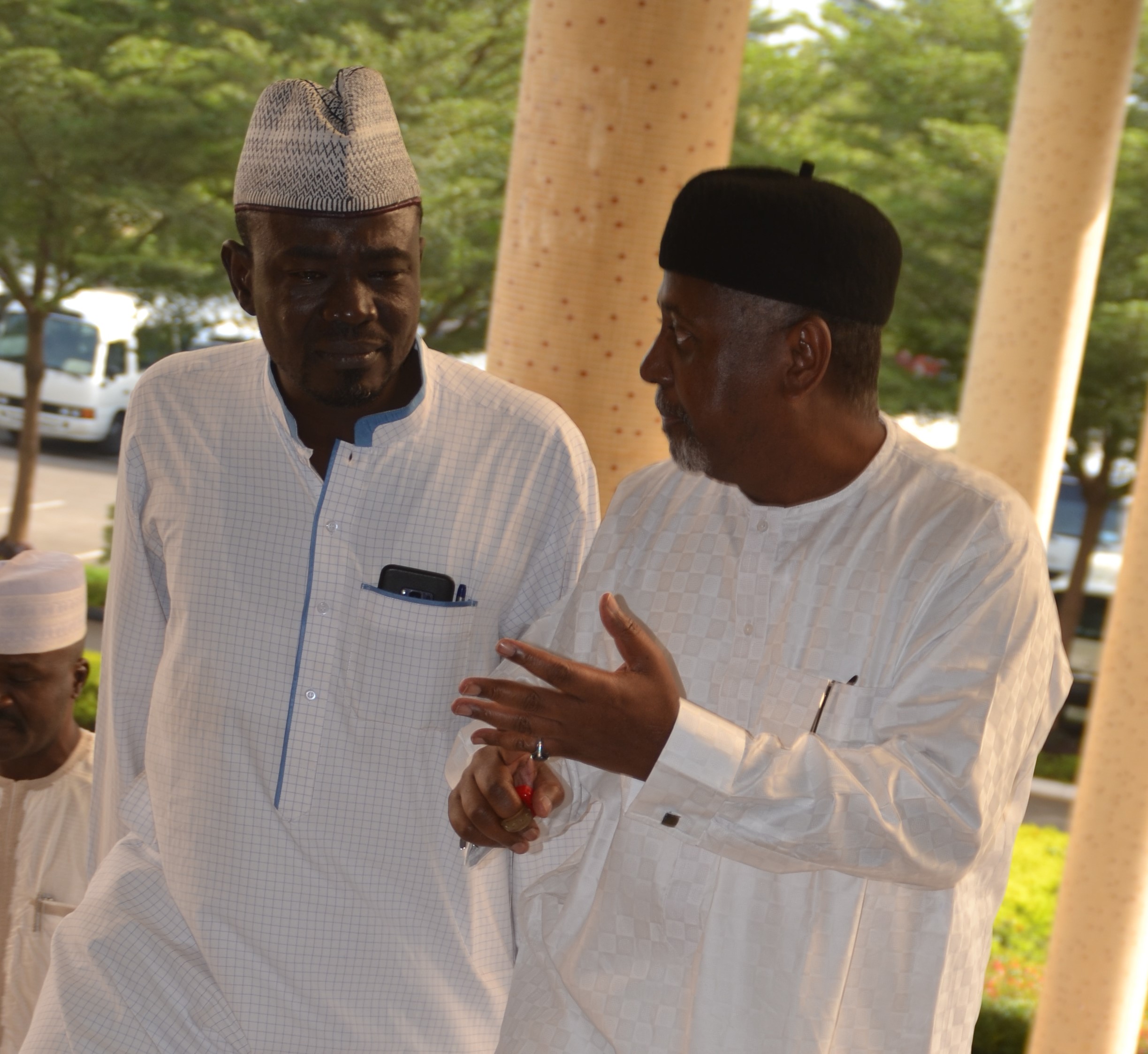
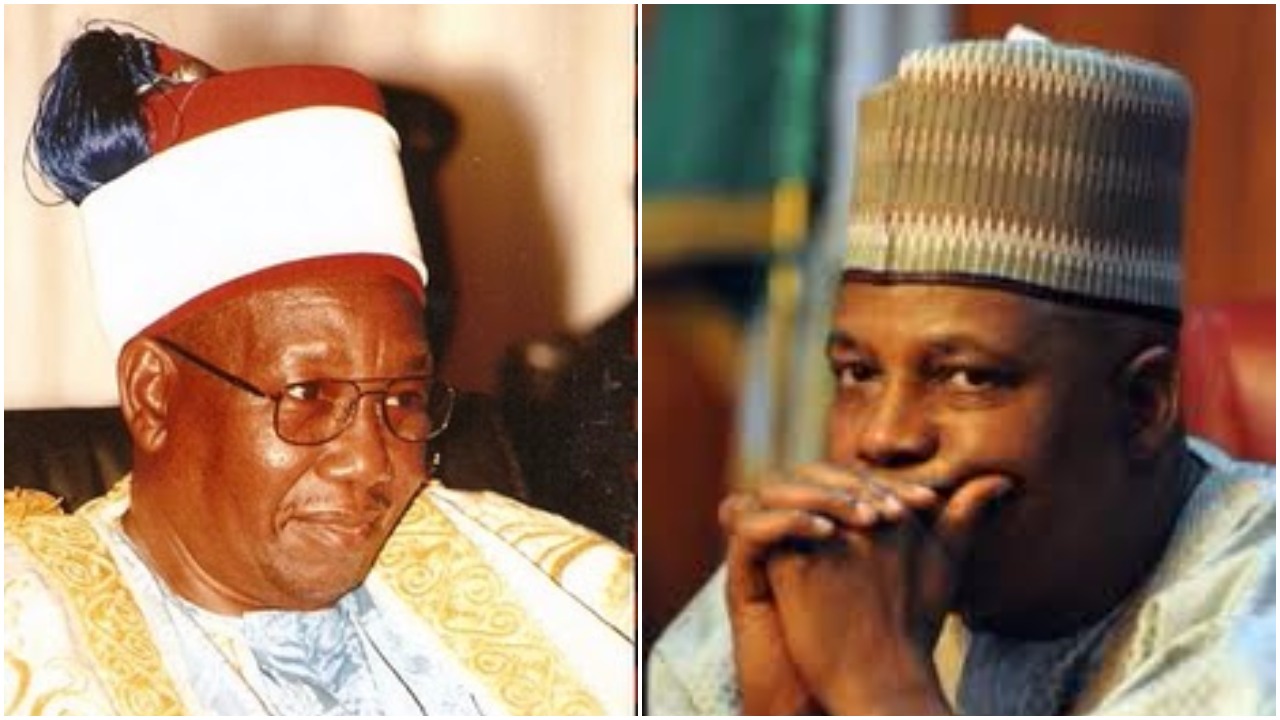
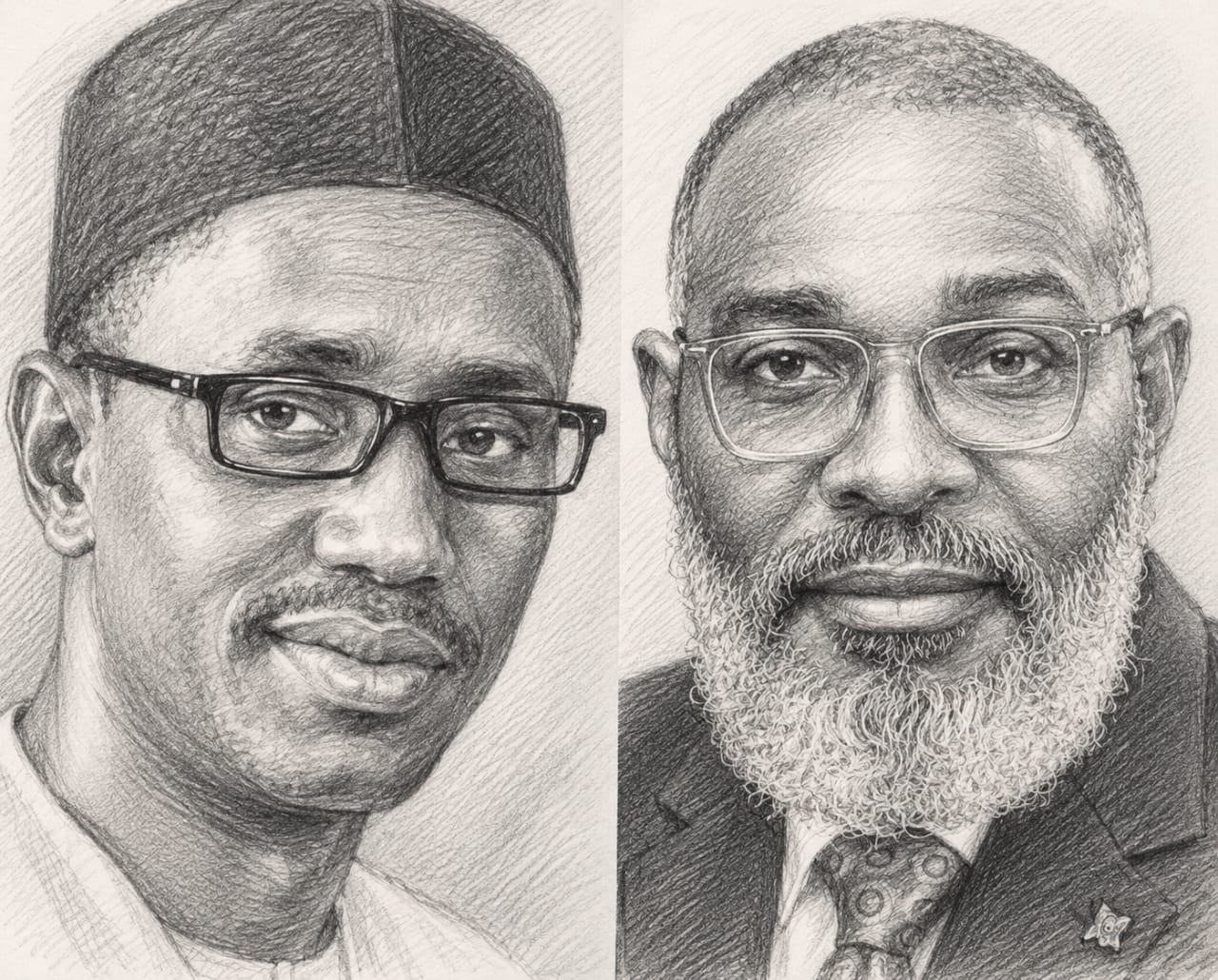
    Shehu Borno Goverrnor Shettima
    Shehu Borno Governor Shettima

    Boko Haram: Open Letter to Borno People
    By Yushau A. Shuaib

    “Fear a tumult which will affect those who caused it as well as the innocent ones…”
    Quran Chapter Anfal 8:25

    I have deliberately quoted the above verse from the Quran, the Holy Book of Islam since the majority of Borno People are Muslims without ignoring the fact that there are other communities and towns within the state that are predominantly Non-Muslims.

    As a Nigerian like most of you, I express my deepest sympathy and great empathy with Governor Kassim Shettima, the Shehu of Bornu, Abubakar Ibn Umar Garbai El-Kanemi and the resilient people of Borno State over the seeming unabated Boko Haram insurgency.

    It is rather regrettable that when the military had prepared for a massive onslaught with a declared 40 days ultimatum for a major arrest, Nigerian troops escorting oil prospectors and geologists were ambushed by the terrorists in the state. While some of the victims including soldiers, Civilian JTF Volunteers, and staff from the Nigerian National Petroleum Corporation (NNPC) and the University of Maiduguri (UNIMAID) were massacred, few others were paraded in a video to attract public outrage and compel further negotiations with the terrorists (Link: https://goo.gl/ky5hyD.)

    Rather than engaging in frivolous conspiracy theories over the reasons and those behind the Boko Haram crisis, which engulfed some states in Nigeria some years ago, it is necessary to point out that it started in Borno with the involvement of the people of the state and with supports, if not connivance, with influential people in the state.

    The Army spokesperson, Brigadier General Sani Kukasheka Usman recently issued a statement that parents were donating their children for suicide bombings that are now rampant in Borno State (Link: https://goo.gl/vv49d6). That was not the first of such warnings. In fact, on September 25, 2015, the Nigerian Army had raised an alarm over plans by “some highly-placed individuals” in the same state to sabotage military operations in the region. The Military even issued a strongly worded warning saying that “the unscrupulous individuals and their cohorts were determined to reverse the gains made and scuttle military efforts of achieving the Presidential directive to defeat Boko Haram terrorists within 3 months.” The statement further disclosed that the elites “were enlisting the services of some Non-Governmental Organizations in the grand design.” (Link: https://goo.gl/qErv5V)

    Since the recovery of many towns and villages by Nigerian troops from Boko Haram in Adamawa and Yobe, the people of these two states and elsewhere have cooperated with the security agencies. Recent statements from the Department of State Services (DSS) headed by a Katsina man, Lawal Musa Daura, have shown how useful information provided by the people in other states, and intelligence sharing by security agencies, curtailed terrorism in Gombe, Sokoto, Kaduna, Kano, Niger, Kogi Taraba, Nasarawa, Plateau and the even Lagos States with arrests of many suspects. (Link: https://goo.gl/6UePPz)

    Surprisingly, one of the finest strategies adopted by President Muhammadu Buhari, a veteran himself, was the appointments of people from Borno into highly strategic positions in the administration with the hope that the deliberate policy would assist in intelligence gathering to end the Boko Haram insurgency and address the plight of the victims.

    Some of the individuals from Borno holding influential positions at the national level include the Chief of Staff to the President, Abba Kyari; the National Security Adviser, General Babagana Monguno; the Chief of Army Staff, Lt General Yusuf Buratai and even the renowned jailer of corrupt suspects and the boss of the Economic and Financial Crimes Commission (EFCC), Ibrahim Magu among others.

    We must not ignore the commitment and relentless efforts of Governor Shettima, who is pumping large chunk of state’s share from the Federation Account to address the security challenges, the plight of Internally Displaced Persons (IDPs) as well as the rehabilitation and reconstruction of infrastructure destroyed by the terrorists in the state (Link: https://goo.gl/P6n5XH).

    It is rather baffling that with the incessant Boko Haram ambush, suicide bombings and their propaganda videos, the suspects are not detected early enough before wrecking havocs in soft targets as if they drop from the moon.

    Apart from the loss of lives and displacements of people, the economic impact of Boko Haram activities in Borno is estimated at $5.9 billion (N1.9tr) according to the Army. Representing the Chief of Army Staff at the first annual conference of Guild of Corporate Online Publishers, Major General Peter Dauke said that Borno had about 400,000 houses damaged by Boko Haram Link: https://goo.gl/Mj9Sg9)

    The latest Annual States Viability Index (ASVI), published by the Economic Confidential, an economic intelligence magazine, indicated that Borno State cannot survive on its internally generated revenue (IGR) without the free flow of revenue from the Federation Account and supports from other states like the recent donations by Northern governors (https://goo.gl/ZugR6M). Yet, the state possesses significant potentials in agriculture, industry and other resources including a landmass and lake that provide huge economic advantages for farming, fishing, husbandry, forestry and tourism among others.

    Apart from its potentials for oil explorations, Borno has billionaires with huge investments outside the state. It is also blessed with highly educated and skilled individuals that could contribute to the economic development of the state.

    More worrisome is the ever-increasing number of local and International Non-Governmental Organisations (NGOs) in the state whose impacts are not felt in the productive sector by facilitating job opportunities for the people. The NGOs merely engage in multi-million dollars advocacy programmes and relief distributions of mostly foreign produced items to the beggarly IDPs.

    With the complex irony, could some groups and individuals be profiting from this seeming and booming terrorism industry?

    It is high time that Borno people, especially the political elites, public office holders, traditional rulers, community leaders and youth groups to do more in providing the necessary information and intelligence for security agencies towards addressing the insecurity, ignorance, poverty and other malaise in the state. The reality on the ground is that Boko Haram menace is not only seen as Borno’s wahala but a tragedy that affects Nigeria and its neighbours.

    Yushau A. Shuaib
    www.YAShuaib.com
    [email protected]

  • Bukola Saraki: Between CCT and EFCC- YAShuaib

    Bukola Saraki: Between CCT and EFCC- YAShuaib

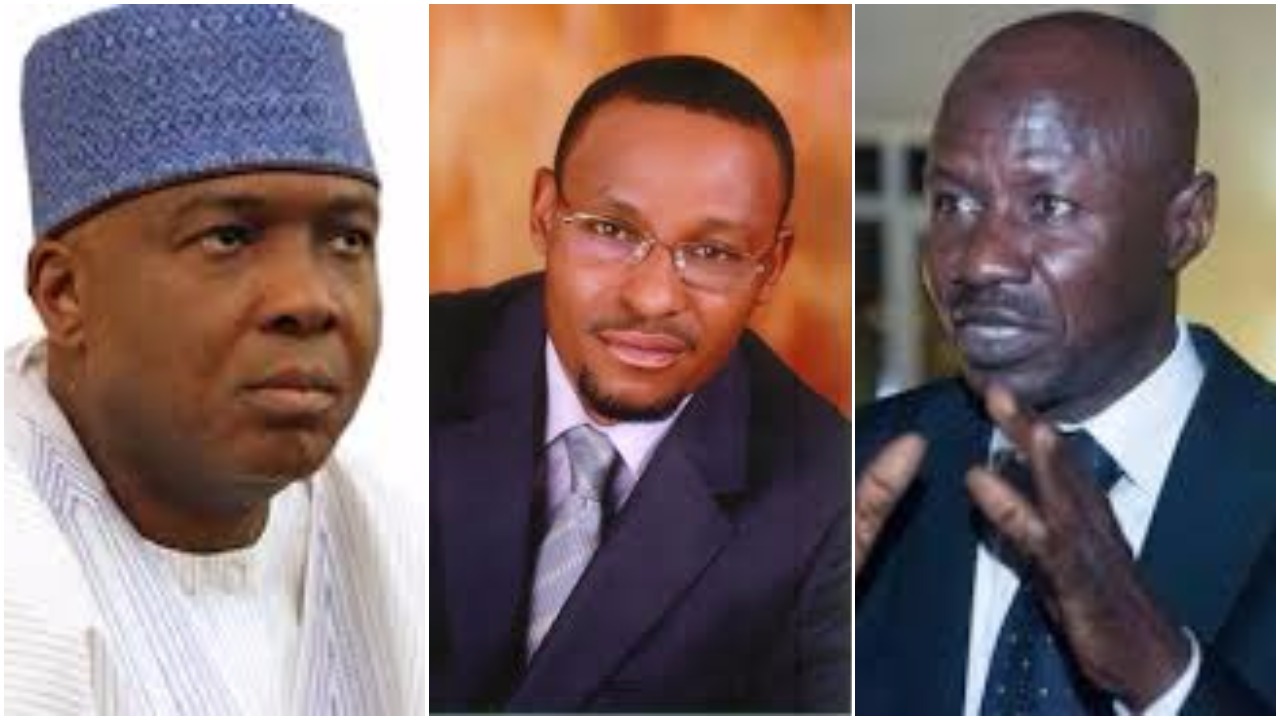
    Senator Saraki, Danladi of CCT, Magu of EFCC
    Senator Saraki, Danladi of CCT, Magu of EFCC

    Bukola Saraki: Between CCT and EFCC
    By Yushau A. Shuaib

    “I swear by the Almighty Allah to do justice. We are all human beings and not God, we must be fair and just,” – Umar Danladi

    Those were the words of the Chairman of Code of Conduct Tribunal (CCT), Danladi Umar at the resumed hearing on the trial of Bukola Saraki on May 17, 2016. He said he was under “serious influence” during the trial of Asiwaju Bola Tinubu in the same court in 2011, when President Goodluck Jonathan was in power. He, however, said he defied the excessive pressure and discharged Tinubu, an opposition leader, over allegations of false assets declaration. (Thisday https://goo.gl/tH6tu9)

    The same judge recently discharged and acquitted Senate President Bukola Saraki over an asset declaration case. Immediately after the judgement, the Economic and Financial Crimes Commission (EFCC) was said to have threatened to invite the Chairman of the CCT over alleged corrupt practices. (The Nation: https://goo.gl/Wfv3pL)

    The said corruption charge which anti-corruption agency wants to probe Danladi had already been cleared by the same EFCC under Ibrahim Lamorde in 2015 (Sahara Reporters: https://goo.gl/tnPTVV).

    Not only that, on April 20, 2016, the EFCC under current Acting Chairman Ibrahim Magu further cleared CCT boss through an official letter with reference number EFCC/P/NHRU/688/V.30/99 which stated inter alia, ‘‘We would like to reiterate the Commission’s position in regard to this matter as earlier communicated to you and state that the allegations levelled against Justice Umar were mere suspicion and consequently insufficient to successfully prosecute the offence”. The spokesperson for the EFCC, Wilson Uwujaren even confirmed the clearance too. (Premium Times: https://goo.gl/nvvPSB)

    The case of Saraki just like that of Tinubu is believed in many quarters to be politically motivated. The miraculous manner he emerged the Senate President against all odds and his strong opposition to a Muslim-Muslim ticket for the APC in the build-up to the 2015 general elections were major reasons for Saraki’s persecution and prosecution, based on his claims. (NAIJ: https://goo.gl/HYkBkR)

    While many were disappointed with the judgement of CCT over Saraki’s case to the extent that some groups were cursing his family and his associates, it is necessary to look at the grounds for the acquittal. A mere allegation of offence does not guarantee a conviction for guilt. It is a popular saying in law that “he who alleges must prove that the accused actually committed the crime before the court can make any pronouncement.”

    The main function of the EFCC is to fight economic and financial crimes but not to usurp the power of Code of Conduct Bureau (CCB) which is constitutionally empowered to prosecute cases under false declaration of assets. In prosecuting their case against Saraki, the government through its prosecutors called for only 4 witnesses and tendered 48 exhibits during the trial.

    The first witness, Michael Wetkas, who is an EFCC operative admitted that he neither obtained any statement from Saraki nor interviewed him on the charges before the court. Meanwhile, Wetkas admitted that there was no evidence to show that Saraki did not declare a piece of property in London. Adding that he had no detailed information regarding the alleged undeclared property. (The Cable: https://goo.gl/b4HUnF)

    The second witness, Amazu Nwachukwu invited by EFCC to be its witness was emphatic that he knew nothing about the purported foreign account operated by Saraki. He added that the bundle of documents in his possession at the tribunal was presented to him by the prosecution and that he was just asked to read the documents and not that he knew anything about them since he was not the author. (The Sun: https://goo.gl/ucn2aJ)

    The third witness who is the Head of Investigation of the CCB, Samuel Madujemu admitted that Saraki indeed declared his assets and that of his wife and his children when he held office as Kwara State Governor. (The Guardian: https://goo.gl/fzusGL)

    He further claimed that his agency had no formal report of the investigation carried out on the assets of Saraki. According to him, it was EFCC’s investigation after Saraki becomes Senate President that led to the arraignment on asset declaration. He further dropped a bombshell when he said: “On the documents so far tendered at the tribunal against Saraki, the documents were sourced by the EFCC operatives on the joint investigative team and I cannot speak for them here. In fact, I am not familiar with every aspect of the exhibits tendered because we in the CCB did not generate them.” (DailyPost: https://goo.gl/CBkniW)

    In a desperate move for damage control after the contradictory evidence by the three witnesses, another banker, the fourth witness Mr. Bayo Dauda of GTB denied ever seeing any foreign account allegedly operated by Saraki. The Banker said he had never worked with foreign banks to know how they open accounts for their customers. He boldly stated that the documents presented to him to give evidence were handed over to him by EFCC when he reached Abuja and that he was neither the maker nor the signatory to the documents and as such, he will not be in a position to verify documents prepared by another person. At the last hearing day, he told the Tribunal that the contentious document inquired by the Tribunal patterning the transaction of the defendant cannot be found.” (PRNigeria: https://goo.gl/cGr7f4)

    Meanwhile, as all the EFCC witnesses gave contradictory and weak evidence, the Justice Danladi Yakubu Umar, and his colleague on the bench, Agwadza Atedze upheld the no-case submission of the Senate President and consequently discharged and acquitted him. The tribunal stated that the evidence of the prosecution witnesses was manifestly unreliable and that no court could attach value to such let alone convict on it. The tribunal also stated that the testimony of the CCB Staff, who admitted that his report was based on information from his team members, rendered the whole evidence linking the defendant to the alleged offences invalid, adding that no conviction could be made on hearsay. (Punch: https://goo.gl/J5453B)

    The tribunal explained that the admittance of the EFCC staff under cross-examination that Saraki was not invited for clarification on the grey areas in his assets form, grossly affected the competence of the charges, adding also that the claim by another banker that all documents it had linking Saraki to the alleged offences were lost in a fire accident further neutralised the evidence. ( DailyNigerian: https://goo.gl/GFmxJ6)

    Since the case is going to the Appeal court for further judicial review, it is now time to allow the judges to perform their constitutional roles before we further engage in distractive media trial over a simple legal matter. (Daily Trust: https://goo.gl/ajd2uQ)

    The two members of CCT panel deserve commendations and not knocks for their bold and courageous adjudication on this matter in spite of the intense pressures and distractions from powerful political forces.

    Yushau Shuaib
    www.YAShuaib.com
    [email protected]
    Abuja

  • General Monguno: Tackling the Inter-Agency Rivalry

    General Monguno: Tackling the Inter-Agency Rivalry

    babagana-munguno-nsa
    babagana-munguno-nsa

    General Monguno: Tackling the Inter-Agency Rivalry
    By Yushau A. Shuaib

    On July 13, 2015, General Babagana Monguno (rtd) was announced as the new National Security Adviser (NSA) by the current administration. He replaced Sambo Dasuki who had acted in that position in the new regime, for over a month after serving as substantial NSA to the regime of President Goodluck Jonathan for about three years.

    General Monguno was widely known as a fine, unassuming army officer during his active service years. During occasional visits to my kind in-law, General Garba Wahab and military press officer, Mohammed Yerima at the Army Headquarters about a decade ago, soldiers and officers did refer to Monguno as a Perfect Gentleman in the military uniform. In fact, it was around that period that I learnt he married his anticipated perfect woman, Nafisah Munir while he was an Army General.

    Monguno attended King’s College, Lagos and enrolled in the Nigerian Defence Academy 21st Regular Course. He also holds a bachelor’s degree in Architecture and Masters in International Relations.

    Some of the positions he held in the military included the Chief of Logistics at the Defence headquarters, Commandant of the Nigerian Army Training and Doctrine Command (TRADOC); Commander, Guards Brigade; Deputy Commandant, National Defence College, and Chief of Defence Intelligence. He voluntarily retired from the Nigerian Army in September 2013 at the age of 56. He left some legacies behind especially on infrastructural development.

    On assumption of office as the National Security Adviser, I had the privilege of meeting him and during our encounters, he was very attentive and receptive to good ideas. He is a man that believes in positive and rapid changes on various national and security issues.

    Nevertheless, it is obvious that Monguno is neither a typical Nigerian politician nor act like one, especially on issues that require diplomatic manoeuvrings and assertiveness. Probably, as a retired army officer and an architect, he may be looking at things from the precision of architectural designs and military mentality.

    The Office of the National Security Adviser (ONSA), is statutorily empowered by Terrorism Prevention Act 2011 to coordinate and support “all security, intelligence, law enforcement agencies and military services to prevent and combat acts of terrorism in Nigeria.” Therefore, the office is the most powerful after the Presidency in ensuring effective formulation and implementation of comprehensive security and counter-terrorism strategies through synergy.

    There is therefore, a greater expectation that ONSA, must be at the forefront in ensuring an inter-agency collaboration. There is no reason to pretend about the prevailing inter-agency rivalries among security organs, even while they record successes on some fronts, notably the war on Boko Haram insurgency.

    Some recent developments are quite worrisome: the heated arguments between the NIA and the EFCC over Ikoyi money; the arraignment in court of Air-Force Chiefs of corruption while shielding past chiefs of other security sectors; the laughable tit-for-tat public parades of members of the Police and NSCDC on flimsy excuses by the same sister agencies; the damning DSS reports on Magu among others are clear signs of intense rivalry amongst the security agencies.

    Deeply concerned over the development, the Centre for Crisis Communication (CCC) recently called on security agencies in the country to avoid inter-agency rivalry which could damage their individual reputation and the government as a whole.

    The Executive Secretary of CCC, Air Commodore Yusuf Anas (rtd), made the call at a special meeting of the Forum of Spokespersons of Security and Response Agencies (FOSSRA) in Abuja sponsored by Nigeria Stability and Reconciliation Programme (NSRP).

    Anas said: “We have observed some disturbing trends, blame games and breaches in information disclosures among agencies of government in the media. We have also noticed conflicting information, disinformation and rivalries among respective organizations through the media. These developments can damage the reputation of the agencies involved and give Nigeria a bad image.”

    Also, the new Chairman of FOSSRA, who doubles as the Director Defence Information, Major General John Enenche urged members of FOSSRA as the spokespersons of their respective organisations to work in harmony and handle information activities professionally and responsibly.

    One fact that is of utmost importance is that spokespersons of security agencies have consistently used their meeting platforms to synergise and collaborate in harmonising security information. Through their interactions, they share professional ideas towards eliminating incidences of conflicting sensitive information released to the public by their organizations. However, and unfortunately too, at their level, there is a little they could do to eradicate the conflict.

    It is an open secret that, the surest way of getting damaging and destructive information in the guise of classified information, is to look beyond the officially designated spokespersons to the bosses of the organisations who are frequently cited in the media as ‘highly reliable sources.’

    For the sake of emphasis and to address this intractable rivalry, General Monguno as the National Security Adviser should devise strategies and method in bringing the leadership of the agencies to a round table for mutual understanding. It doesn’t even need to be elaborate engagements, reaching out to each agency with sincerity of purpose, can play the magic. This is a period where we need to guard against all unnecessary bickering within the security milieu.

    Yushau A. Shuaib
    www.YAShuaib.com
    [email protected]

  • That NIA’s Black-Budget and Mysterious Whistle-blower

    That NIA’s Black-Budget and Mysterious Whistle-blower

    amb-oke-gen-monguno-ibrahim-maguThat NIA’s Black-Budget and Mysterious Whistle-blower
    By Yushau A. Shuaib

    Preparatory to the daring and merciless military operations against Boko Haram members, top officers of security and intelligence agencies were in Lagos and Abuja, towards the end of 2014 to interact with critical stakeholders that matter in shaping public perception and opinions. The then President of Nigerian Guild of Editors (NGE), Mr. Femi Adesina was part of the audience.

    The interactive sessions involved the display of video clips of horrific atrocities of Boko Haram terrorists against humanity. Gory scenes of brutal executions of captured intelligence officers who were accused of spying on the terrorists’ group were shown. The officers and their informants were cruelly dismembered, buried or burnt alive by the dare devil terrorists.

    One of the heart-aching videos was that of a captured female intelligence operative who was “daggered” into pieces before she could plead for her life. Few months after some debriefing with the stakeholders, through miraculous strategies of operations against terrorists, positive images emerged on the gallantry of Nigerian troops. PRNigeria released some of the declassified videos on the storming of Sambisa Forest by the special forces and intelligence operatives from the air and on the ground. The original video showed hijab-dressed female intelligence operatives, guiding women and children from the air raid to safe military zone.

    There were also reported cases of captured men dressed in women attire by Nigerian troops who were later discovered to be security operatives assigned to spy in terrorists’ enclaves. Strangely enough, between January to May 2015, when Sambo Dasuki was the then National Security Adviser over two dozen occupied towns were successfully recovered and liberated from Boko Haram. The towns were: Abadam, Askira, Baga, Bama, Bara, Buni Yadi, Damboa, Dikwa, Gamboru-Ngala, Goniri, Gujba, Gulag, Gulani, Gwoza, Hong, Kala Balge, Konduga, Kukawa, Marte, Madagali, Michika, Monguno, Mubi, Vimtim among other communities.

    Meanwhile, while the military and security agencies took credit for all counter-terrorism campaigns, most of the high-profile terrorists arrested, especially at the borders and across the borders were facilitated by the intelligence service. The service also facilitated the participations of reluctant neighbours in Multi-National Joint Taskforce (MNJTF) and other special forces for the success of operations.

    Recently too, when 21 Chibok girls were freed by Boko Haram in October 2016, Vice President Yemi Osinbajo publicly disclosed that there was no exchange of detained members of the Boko Haram sect for the girls. The Information Minister, Lai Mohammed also strongly denied the report that Nigerian government paid a robust ransom for their release. Since no one knows what influenced the ‘Father Christmas’ gesture of Boko Haram leaders in releasing the girls which even took a section of the military by surprise, it is purely exceptional intelligence operations.

    This writer has deliberately avoided mentioning any of Nigeria’s secret organisations on the above operations. The recent exposure of the National Intelligence Agency (NIA) to disrepute after the discovery of cash haul in an Ikoyi Apartment is a sad commentary to the one of the most organised, fine and respected intelligence organisations in Africa. Not only has the scandal damaged the integrity of the agency, it further exposed the Nigeria’s intelligence community to global ridicule.

    It is necessary to point out that in security circle, a black budget is allocated for classified and other covert operations of a nation which can be expended under different covers and through different channels including funding of NGOs, Cultural groups, religious organisations, corporations, private firms and on most occasions through cash that could not be traced. Consciously and unconsciously patriotic and innocent citizens have supported or carried out intelligence activities without being identified with the secret service.

    The instrument relating to the establishment, structure and duties of the National Intelligence Agency, especially under the National Security Agencies Act 1986 (Cap 278LFN), clearly states that “The accounts of the National Intelligence Agency shall not be subject to external audit but the Director General shall by first week of March each year, render to the President… certificate showing the total expended during the preceding period and the under which the expenditure was made and copy the National Security Adviser.”

    Similarly, there are repeated keywords on NIA’s mandates which include: National Security, National Interest, employing covert sources, using the cover of government or private concerns; conduct espionage, covert operations, and counter intelligence activities.

    Even though there are declared staff who are authorised to disclose their identities, most intelligence operatives are undeclared and barred from disclosing their identities but only to close family members and associates. While some live in opulence for covert assignments, others act beggarly and pretend to be poor in sensitive terrains.

    The intelligence agencies allow other sister agencies take the credit for successful operations. Most of the arrested terrorists’ commanders especially at the borders and across the borders were facilitated by the intelligence service.

    The scandal over N15 billion recovered by the Economic and Financial Crimes Commission (EFCC) at Osborne Street, Ikoyi, Lagos is quite embarrassing because the Director General of NIA, Ambassador Ayo Oke has claimed that the fund belonged to the agency.

    The incident is coming at a period of an intense inter-agency rivalry where security agencies were allegedly reported to be behind the leakages of classified and confidential information to smear their perceived oppositions within the same government.

    The above scenario is again playing out here. Now that NIA has laid claim to the amount found in Ikoyi apartment, does it mean the Economic and Financial Crimes (EFCC) was misled? Is the mysterious whistle-blower a character in the inter-agency rivalry? Or is it another counter-intelligence by another foreign secret service against Nigeria?

    In a December 2016’s article by this writer on Magu’s EFCC: Between Suspects and Victims
    (https://yashuaib.com/blogs/magu-efcc-suspects-victims/) I warned that “President Buhari should ensure that the brewing inter-agency conflict among critical institutions should be urgently addressed. For instance, if the EFCC should attempt to retaliate against the report of DSS, the result will not only be dirty but likely to compromise national security.”

    While the EFCC publicized the discovery, it has totally failed to disclose the owner. Even the vibrant spokesperson of EFCC, Wilson Uwujaren had to put off his mobile phone for almost 72 hours during the fracas.

    With all fingers pointing to the fact that the money belongs to NIA, the burden of proof is who is the mysterious whistle-blower? Could the whistle-blower have acted on behalf of an agency engaged in the rivalry or was it as major counter-intelligence operation by foreign interests to expose and embarrass our intelligence network?

    There are many ways of removing public officers but such attempts should not be done by rubbishing the integrity of public institutions they represent, especially in Nigeria’s security architecture.

    I strongly believe at this critical period and with the unabated inter-agency rivalries and the incidence of leakages of classified information by some agencies of government, the current National Security Adviser, General Babagana Monguno should be wary of these developments. Though a gentleman, he needs to be more pragmatic, charismatic, assertive and decisive in dealing with erring agencies.

    Yushau A. Shuaib
    Publisher of PRNigeria, a global award winner in Crisis Communication
    www.YAShuaib.com
    [email protected]

  • My ‘Ordeal’ Inside Kirikiri Prison- Yushau Shuaib

    My ‘Ordeal’ Inside Kirikiri Prison- Yushau Shuaib

    Kirikiri prison computer centre
    Kirikiri prison computer centre

    My ‘Ordeal’ Inside Kirikiri Prison- Yushau Shuaib
    By Yushau Shuaib

    This is not a joke, but a real-life story. I still wonder how my family members, friends and well-wishers would feel about my ‘ordeal’ inside the Kirikiri Medium Security Prison in Apapa, Lagos.

    In fact, this write-up commenced in the Prison. All my life I have tried to avoid any act or behaviour that would warrant me being sent to any solitary confinement whether cell, house-arrest, guard-room, or prison not to talk of the most popular (or is it notorious) Kirikiri Prison in Nigeria.

    In the past and up till now, I deliberately try to avoid visiting offices of friends whose mandates are to detain people even when, professionally, I engage in crisis communication which involved relating with security agencies.

    Meanwhile, I have also realised that the only person that could be sure of not going to be detained either in cell, house-arrest or prison must surely be the dead person in the grave. Influential leaders have been detained and incarcerated at various times; some went to detentions straight from highly powerful positions while others moved from detention centres to privileged posts. Nelson Mandela, Shehu Shagari, Muhammadu Buhari, Olusegun Obasanjo, Obafemi Awolowo, Wole Soyinka and even Sambo Dasuki who had been granted multiple bails are very few of personalities that have tasted state confinement and imprisonment, where their movement and freedom were not only restricted but denied.

    Sometimes last year, I received an invitation by the Economic and Financial Crimes Commission (EFCC) over an investigation of a company involved in crisis management for the security sector. I felt embarrassed by the reckless and baseless indictment of the firm by the controversial and unceremoniously disbanded AVM Jon-Ode arms probe panel. I was nevertheless treated with dignity by the anti-corruption agency without being detained after providing necessary information on the issues at stake. Meanwhile, as a man, I have always prepared for the worst scenario in case of untoward eventualities.

    Before I give the reason for my journey into Kirikiri prison, I know for sure that the right of prisoners in relations to physical integrity must have freedom from arbitrary arrest. No matter the situation, I know that potential detainees, by right, should be informed of the fact and grounds of any arrest. In fact, victims of emerging professional whistle-blowing enterprises deserve some respect because they are innocent until proven guilty in competent courts.

    I must state that I had no hesitation when the Prison officials in Abuja, insisted that I must be conveyed to Kirikiri Prison. I was flown to Lagos and transported by a bus to the Prison in Apapa. I must also be very sincere to state that I was neither maltreated nor harassed from Abuja to Lagos even though we had flight delay.

    At the entrance to the Prison I became scared to the marrow when I read a notice which stated that the Kirikiri Medium Security Prison was overcrowded. On that day, March 1, 2017, it accommodated 3051 prisoners instead of 1700 of its official capacity. More shocking was the fact that 2627 detainees were not convicted by any court but they were awaiting trial. Some awaiting trial inmates were immorally detained for frivolous offence of fighting, walking at odd hours and petition writings.

    Rather than conveying me straight to the cell, the officials at the Kirikiri Prison took me to a barbing saloon where imprisoned barbers and trainees provide the services. Next to the barbing saloon were tailoring and shoemaking workshops where inmates were trained in the production of clothes, shoes, bags among others. I learnt some religious bodies and Non-Governmental Organisations purchase the items for sale outside the prison yards.

    At another corner of the Kirikiri prison was a Library and a Computer Centre where some inmates study for examinations. Some even graduated with flying colours from the National Open University of Nigeria (NOUN), I learnt. By conventions, further education is to be provided to all prisoners while schooling of illiterates and young inmates are made compulsory. Even though Prison is not a place for recreation and relaxation, in this prison, there is a playground, a volleyball court and table tennis facilities. Such recreational activities like sports, music and other hobbies are by the same conventions required to be made available in prisons.

    Strange enough, I noticed that most of the inmates were not malnourished but looked healthier than I had thought. I suspect that they are probably offered better medical examinations and treatments than it is imagined or believed.

    While being led towards the prison accommodation, the official said that by law cells for individuals should not be used to accommodate more than one person while communal cells should only house prisoners who had been selected to share them. He added that all facilities should meet the requirement regarding health, heating, ventilation, floor space, sanitary facilities and lighting.

    My ‘real ordeal’ inside the prison was how to convincingly inform my family members and well-wishers that I was never arrested but was actually on an official assignment and Special Tour of prison facilities in Lagos with some media executives including editors, columnists, broadcasters and journalists. We were being led and guided by the spokesperson of Nigerian Prison Service (NPS), Francis Enobore and the officer in charge of the Prison, Emmanuel Oluwaniyi.

    As a proof of the tour of the prison, I requested the spokesperson of NPS to take my picture while standing at the Window of the Computer Centre. He obliged. After the tour, we returned to our hotel for buffet and attended a three-day workshop on prison reform organised by Prisoners’ Rehabilitation and Welfare Action (PRAWA).

    After spending nights in the hotel, I returned to Abuja without spending a night in the Prison.

    More pictures on the tour of Kirikiri Prisons here:  https://www.flickr.com/photos/yashuaib/albums/72157679140013481

    Yushau A. Shuaib
    www.yashuaib.com
    [email protected]

  • Muslim: Neither Sunni Nor Shiite- YAShuaib

    Muslim: Neither Sunni Nor Shiite- YAShuaib

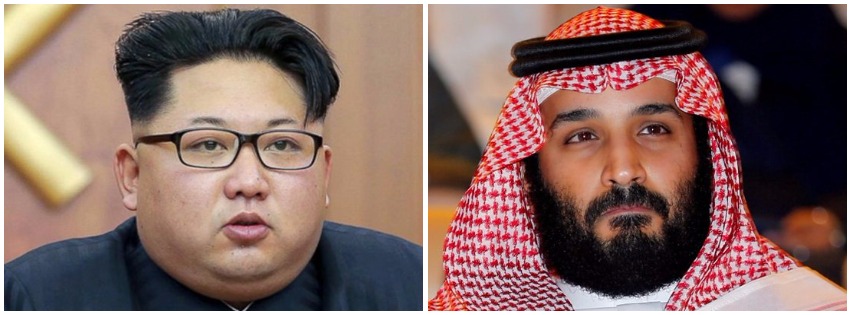
    Iran, Saudi Leaders
    Iran, Saudi Leaders

    Neither Sunni Nor Shiite- A Muslim Perspective
    By Yushau A. Shuaib

    The Nigerian government officially declared Monday, December 12, 2016 as public holiday to mark the Eid-El Maulud in commemoration of birthday of Prophet Muhammad (PBUH).

    The gesture of the government could mean different things among the Muslim community because Prophet Muhammad and his Companions never observed or celebrated his birthday even after his demise. However, some religious zealots describe the celebration as unlawful and un-Islamic while other extremists condemn those celebrating the Maulud as unbelievers.

    The major challenge in the contemporary Muslim world is the different interpretations on simple modes of worship by various Islamic scholars and rulers. Such divergent elucidations breed misunderstandings, unnecessary conflicts and violent protests.

    The Iraq-Iran war in the 80s, as a battle of regional supremacy between an Arab country and Persian nation, was largely a clash of ideological differences between the Sunni and Shiite. The crisis has since become global phenomena after the 9/11 attacks in United States of America.

    The historic background of the Sunni–Shia divide occurred when Prophet Muhammad (SAW) died, leading to a disagreement over his successors, known as caliphs in various Islamic communities. The clash intensified after the Battle of Karbala, in which Hussein ibn Ali, the grandson of the Prophet and his household were killed by the ruling Umayyad Caliph Yazid. The clamour for retaliation divided the early Islamic community into Sunni, Shiite and few others.

    Although all Muslims believe in divinity of the Quran, as the Holy Book from Almighty Allah, different scholars have different opinions and interpretations of Hadith which is a collection of traditions containing sayings of the Prophet and accounts of his daily practice. The Hadith constitutes the major source of guidance for Muslims apart from the Holy Quran.

    All Muslims including those that referred to themselves as either Sunni or Shiite observe the five pillars of Islam which are: Faith in God Almighty; Regular Prayers; Providing charity to the needy; Fasting in the month of Ramadan and performing pilgrimage to Mecca for those that can afford.

    Therefore, the Sunni-Shiite power struggles, are more political and ideological than spiritual. The conflict has so far created acrimonious and hostile relationship especially among major sponsors: Saudia Arabia, the promoter of Sunnism and Iran the backer of Shiitism. The antagonism culminates into sectarian violence through what is now known as Saudi-Iran proxy wars in some countries including Syria, Iraq, Yemen, parts of Libya among others. Unfortunately, some atrocious acts of terrorism which are wrongly attributed to Islam, the religion of peace, have direct and indirect connection to the major regional players in the conflict.

    Nigeria, as a multi-ethnic, multi-cultural and multi-religious society has witnessed decades of peace and tranquility among various groups. Muslims in Nigeria have not only lived peacefully among themselves and with adherents of other religions. Majority of Nigerian Muslims do not allow sectarian dogmas to divide them as they pray in every mosque without questioning the sect of Imam who leads prayers.

    It is rather unfortunate that in recent times, some parts of the North have witnessed the same Sunni-Shiite conflict resulting in the killing of significant members of Sheikh Ibrahim ZakZaky led Islamic Movement in Nigeria (IMN). One could better imagine the consequences of the officially acknowledged killing of 347 mostly Muslims in Zaria if President Muhammadu Buhari and Governor Nasir El-Rufai are Non-Muslims.

    As a Muslim born into a family of Islamic scholars and having the privilege of attending popular Quranic kindergarten, Arabic Secondary School and studying Islam in the university all in Kano, never have I been taught that one should be a Sunni or Shiite before practicing Islam.

    The Muslims in Nigeria should use the period of Eid-Maulud public holiday to reflect on how to resolve this untoward development and caution political elites and religious leaders who use the Sunni-Shiite conflict to further create disharmony and hatred in the community. It is commendable the recent position of Borno Elders Forum who called on President Muhammadu Buhari to move quickly and resolve the Kaduna-Shia crisis in the North-West before it snowballs into another insurgency like Boko Haram in the North-East.

    The level of religious intolerance and antagonism which have led to too much bloodshed in Northern Nigeria, are borne out of ignorance of noble Islamic teachings. The South-West which has more private Islamic institutions, especially universities than the entire geo-political zones in the North, also has large Muslim population who demonstrate greater understanding of Islam, especially on religious tolerance. Socio-cultural and political differences should not be associated with any religion.

    Muslim community should also use the period of Moulud to advise public officers to desist from issuing provocative statements, caution religious leaders against inciting sermons and warn their social media warriors from engaging in alarming campaigns of calumny, especially over Sunni-Shiite controversy and Kaduna-Shiate crisis. Nigeria should never be a battle ground for a proxy war in West Africa.

    A true Muslim must be guided by the Quran and Hadith and not by following different sects that celebrate divisions. Muslims should observe the five pillars of Islam and emulate the great qualities of Prophet Muhammad (SAW) who encourages mercy, tolerance, peaceful coexistence and forbids extremism. We should practice Islam like the early Muslims who were neither Sunni or Shiite but simply practicing Muslims.

    Yushau A. Shuaib
    www.YAShuaib.com
    [email protected]

  • Ramadan Sallah: Moonsighting Jokes Among Nigerians

    Ramadan Sallah: Moonsighting Jokes Among Nigerians

    Ramadan moonsighting
    Ramadan moonsighting

    After the Sultan of Sokoto dashes the hope of those that had prepared for Sallah Celebration of Ramadan Fasting on Tuesday by extending it to Wednesday when the moon was not sighted, Nigerians went to Social Media to crack jokes on the Moon-Sighting dilemma.

    Ramadan Moonsighting Jokes Among Nigerians
    The sighting of the moon was Inconclusive
    -INEC
    ……………………………….
    The sighting of the moon has been adjourned till tomorrow
    -Abuja High Court
    ……………………………….
    The moon has already been sighted tomorrow
    -Lai Mohammed
    ……………………………….
    The APC was the cause of the moon not sighted in Nigeria
    -Fayose
    ……………………………….
    We will create another moon for Nigerians
    -APC
    ……………………………….
    We will blew up the moon and we will blow up more moons
    -NDA
    ……………………………….
    We are responsible for the absence of the moon in the sky
    -Boko Haram
    ……………………………….
    If only Nigerians have given me a second chance, sighting of the moon would have been made easier.
    – GEJ
    ……………………………….
    The inability to sight the moon was all because the last administration was clueless
    -PMB
    ……………………………….
    Due to none sighting of the Moon, the Board of the Ulamas has been dissolved.
    -Presidency
    ……………………………….
    Those responsible for the missing moon will soon be apprehended and charged accordingly. We have evidence.
    -EFCC
    ……………………………….
    The sighting of the moon was not altered; a committee will be set-up to be headed by Sen. David Mark (Chairman Senate committee on Observation)
    -Senate
    ……………………………….
    They saw the moon but hid the information, a grand plan to elongate sallah holiday and Islamise Nigeria
    – CAN
    ……………………………….
    The problem of non-sighting of the moon will be a thing of the past as more troops have been deployed to the moon-site
    -Buratai
    ……………………………….
    The anomally in the crescentic illumna of the moon in the atmospheric galaxy is tantamount to more crinkum crankum & hoola-baloo
    -Patrick Obahiagbon
    ……………………………….
    We are studying the situation on moon sighting imbroglio, we may direct workers to go strike if govt fails to declare additional work free days
    – NLC
    ……………………………….
    I will obtain an injunction to restrain the moon, its agents, servants or privies from appearing pending the hearing of the motion on notice.
    – Femi Falana
    ……………………………….
    We may seek for perpetual injunction so that Muslim can continue with the fasting till eternity
    – Pastor Oritsajefor
    ……………………………….
    International Conspiracy
    We dont want to sight the Moon
    -Brexit
    ……………………………….
    We know where the moon is but we dont want to say.
    -US
    ……………………………….
    Abeg add your own I don taya!

  • 7 Lessons from Senator Saraki Saga

    7 Lessons from Senator Saraki Saga

    Bukola-Saraki7 Lessons from Senator Bukola Saraki Saga
    1. Never abandoned 1st Love (Family, Party, Friend)
    2. Known Enemies are better (managed) than unproven allies (Leadership/followers)
    3. Never sacrifice resources/energy in politics for a return on investment
    4. Victory through corrupt (electoral) process doesn’t prevent anti-corruption war crusade from beneficiaries
    5. The Anti-Corruption War is turn-by-turn, other politicians to be arraigned
    6. Most Nigerian politicians are ‘nakedly’ corrupt, one should belong to the right cabal to avoid prosecution
    7. It is better to disclose the bitter truth & damn the consequence like how funds were raised to fund election victory
    YAShuaib.com

  • Chibok: Bring Back Other Girls and Boys

    Chibok: Bring Back Other Girls and Boys

    Chibok: Bring Back Other Girls and Boys

    By Yushau A. Shuaib

    He hardly grants media chats because of the sensitive nature of his office. When he speaks, it is with bluntness and sincerity delivered with deliberate measurement. He knows that he can be misquoted out of mischief or ignorance.

    Sambo Dasuki, the National Security Adviser in the outgoing Jonathan’s administration, had in February 2015 strongly recommended the postponement of the elections for six weeks to enable the Independent National Electoral Commission (INEC) to address the challenges of untrained ad-hoc election staffs and scanty distribution of voters’ cards. He also insisted that the military could address the insecurity in the North-East by clearing most terrorists’ infested communities within that period.

    Within the recommended six-weeks, the voter card distribution rate had increased astronomically from less than 50% to over 75% while the Nigerian military had recovered more than 20 communities from terrorists in Adamawa, Borno and Yobe states. The elections afterward have been adjudged as free, fair and peaceful.

    Similarly in April 14, 2015, Sambo Dasuki accurately predicted what Nigerian military would accomplish before the handover on May 29, 2015. Coincidentally, on the one year anniversary of the abduction of Chibok school girls, Dasuki gave an assurance that the Sambisa Forest would be stormed by the Nigerian troops while the Federal Government was making every effort to ensure that abducted Nigerians would be rescued from captivity from that enclave before the handing-over day. Speaking to PRNigeria, a media agency that distributes press releases on behalf of security agencies, he insisted that government was concerned about the welfare of every single Nigerian not only the Chibok girls, as other innocent Nigerian girls, boys, men and women were abducted by the terrorists and all efforts were being made by security agencies to rescue them.

    Today, the Sambisa Forest, the last fortress of the terrorists had been invaded by the military who have so far rescued over 300 captives and destroyed camps and armaments of the terrorists.

    However, there are those insisting that without the recovery of Chibok girls, the military campaign should not be hailed. Chibok incident was not the first abduction and not the last by Boko Haram terrorists. Before the advent of Bringbackourgirls movement for the rescue of Chibok girls, boys were burnt to death and slaughtered in various terrorists’ attacks in boarding schools. Others were abducted for conscription. Young captives who were reluctant to join them in their dastardly acts of terrorism were summarily executed.

    It is noteworthy that the BringBackOurGirls campaign has drawn global awareness to murderous exploits of terrorists after abducting school girls in Chibok town of Northern Nigeria. The campaign exploded across social media with a strong sense of outrage, catching the attention of global politicians, celebrities and social media fans.

    While we clamour for the return of the Chibok girls, we must bemoan the fact that a lot of innocent lives of others citizens have been lost including military and security personnel from different parts of the country. The loss of security personnel in active service have made many families to loss their fathers, brothers, sons, husbands, and even newly wedded grooms who were, in some instance, mercilessly massacred while protecting our nation and its people. We hardly heard any campaign for Bring-Back-our-boys or Bring-Back-the-Corpses of bread winners for decent reburials.

    It is unfortunate that we get to the sorry state because some of communities had tolerated the excesses of the terrorists by silently paying ransom after every abduction without reporting to security agencies in the past. In fact some local leaders openly campaigned against the deployment of troops to curb the atrocities until the situation got out of hand.

    The military are also careful in their combat offensive in view of the fact that some abducted women are used as human shields, girls as suicide bombers and boys as child soldiers for Boko Haram. It is indeed a delicate situation when troops trained in conventional warfare are suddenly confronted with asymmetrical warfare. Therefore, in such operations, the troops must abide by the excessive rules of engagement policy, including tactical withdrawals to avoid collateral damage to civilians.

    It is also rather unfortunate that some foreign powers have denied Nigeria the supply of sophisticated equipment over flimsy excuses of human right abuses. Even those who claimed deployment of specialised experts to search and rescue the Chibok girls not only abandoned Nigeria and the victims to their fate, they never rescue a single abducted girl. Yet they claim the successes of our military offensive was only boosted by foreign mercenaries even after the emergence of pictures and videos of dexterity, sophistication and courage of Nigerian troops in their fight against terror and rescue efforts in freeing abducted people, especially women and children.

    It is a pride to Nigeria as a nation that even without ‘Coalition Airstrike’ from powerful countries similar to that being witnessed in Syria, Yemen and Iraq, the Nigerian military has effectively destroyed most of the terrorists training camps while rescuing thousands of abducted victims from captivity.

    The Bring Back Our Girls movement, which is instrumental in mobilising citizens and the media through organised rallies against the abductions of Chibok girls, should go further in highlighting the plight of other abducted citizens, internally displaced persons and the ruined communities that require freedom and rehabilitation. It is gratifying to note the assurance of our new President Muhammadu Buhari, a retired military general that “we cannot claim to have defeated Boko Haram without rescuing the Chibok girls and all other innocent persons held hostage by insurgents.”

    Every life is precious; not only that of Chibok girls but also other girls, boys, women and security personnel that are victims of terrorism.

  • Still on Nigerian Military and Online Media

    Still on Nigerian Military and Online Media

    This is indeed a critical period of our national life when a raging war on desperate terrorists has kept military operations in North-East and others parts of the north in persistent media spotlight. And as would be expected, the subject now dominates the country’s online media content.

    As it is, online media, which capitalise on rapidly developing and changing new technology unlike its well established traditional media counterpart, is still evolving and ethics and regulations that will guide its conduct and practice are yet to be standardised.

    Nonetheless, online media have the advantage of accessibility, cost effectiveness, longer lifespan, and interactivity, speedy and updated knowledge. It is therefore, not surprising that traditional media have also added online platforms even though they still strictly adhere to the traditional code of ethics of journalism practice. History relates that the media, as the alternative government is always viewed with suspicion by governments because of its responsibility of keeping governments on its toes but since the ultimate beneficiary is the citizen, both governmental actors and media practitioners tolerate themselves for the lofty end of attaining the desired society.

    This writer was therefore, greatly alarmed by the recent turn of events following hot exchanges of missives between the Nigerian Army and a very popular online medium, Sahara Reporters on issues bordering on the war on terror. The accusations and counter accusations were indeed unnecessary if only the two parties attempted a review and re-examination of their existing relationship.

    From Public Relations perspective, one can easily sense the growth of mutual suspicion and mistrust between the military and some online media, which is quite a disturbing trend that should be addressed in the national interest.

    There are many factors responsible for the mistrust. For instance, when the media alleges that Nigerian military is ill-equipped, it ignores the fact that most of the weapons used by insurgents were actually captured from fleeing Nigerian troops; when the press accuse soldiers of fleeing from battle field (a treasonable action), the Fourth Estate of the Realm shies away from recommending stringent measures against cowardice troops; when the military high command passes judgments on mutinous soldiers as deterrents, the press still condemns such verdicts which invariably could erode discipline in the barracks.

    Also in desperation for exclusive stories, the media consciously or unconsciously promote terrorists’ agenda by publishing unethical gory videos and alarming statements of the groups which depict horror with the potential to scare the military and frighten citizens. Such media exposures of terrorism occasionally weaken the morale of troops and boost the confidence of insurgents.

    On the flip side however, in their attempt to manage information, the military oftentimes horde stories rather than providing timely and adequate information to reassure the public. The military, apart from being accused of displaying partisanship to the party in power is also faulted on media selectivity (unwholesome preference) rather than treating them equally. While it is true that some media are financed and funded by politicians, the military erroneously assume that the media serves only the interests of their proprietors rather than national interest.

    It is unfortunate that, while the military views constructive editorial contents as attacks by enemies and the opposition, the media also view every genuine action and statement from the military with scepticism as mere propaganda.

    It is clear that it is not only those in the security services that are concerned about national interest. The media have also shown greater concern for national security by penning editorials to ginger those in authority to do more in protecting the territorial integrity of our nation. We have seen how the media widely celebrates military accomplishments and feat against terrorists with wide screamers in prominent pages and premium spaces without courting favour and commercial patronage. And so, editorial contents should not be seen as condemnation but rather as wakeup call to improve military and governmental operations in the protection of citizens.

    If public officials must take the pain to respond to each and every media criticism, most of which are quite unnecessary, one may ask: how often have they acknowledged and responded to positive reports with the same speed and zeal? If spokespersons don’t respond in equal measures to positive report like critical editorial, they therefore, have no justification to criticise the same media for bias.

    Meanwhile not all perceived negative reports require official rebuttals when appropriate actions can easily douse the tension and resolve misconceptions. It is the antics of typical politicians to issue provocative statements in response to media provocation. In fact, proactive and timely measures can solve many issues.

    One message, I learnt as a PR person, is never to underrate or underestimate any medium not to talk of one with repute and wider audience. Each medium has its unique audiences. The only way to win the hearts and minds of those targeted audience is through sustained and improved media relations in order to benefit from mass communication platforms.

    My appeal to Sahara Reporters and other online media that are concerned about insecurity in the country is to continue to be focused in supporting the military in its war on terror, while the military should also recognise the fact that the war is not only won by armoured tanks and troops but by the media and the information they provide though their platforms.

    This article by Yushau A. Shuaib has been published by Nigerian print and online media between December

Latest News
End the Apartheid of Indigeneship: Why Nigeria Must Adopt Residency-Based RightsKwara 2027: The Chess Game of Sarakis PDP and AbdulRazaqs APC by YAShuaibNkechi Ali-Balogun: The African PR Amazon @70 By Yushau A. ShuaibKishiya: Between Ribadus ONSA and Famadewas Homeland SecurityConsensus Fraud: When Governors Usurp the Voters MandateTo Wike: It Is Wickedly Wicked to Convert Wuye's Public Hospital into a Private EstateProfs Adamu & Pate: Gentle Giants of Communication ScholarshipCan AtikuObi Unseat TinubuShettima in 2027?The Gombe Succession: Who is Afraid of the Pantami FactorShettiman Dukawuya @30: Linking Three Regions and GenerationsThe Trials of Dasuki and Malami A Study in Nemesis: What You Do Unto OthersEnough Is Enough: After Bashar Sanis Death, the North Must Finally Confront Its Own Monsters2027 Elections: The Fear of Trump, Werekaci and Nigerian Politics By YAShuaibBetween IGP Disu and DIG Mba: A Personal ReflectionTo DSS Boss: What Was Good for Ese Oruru Must Also Be Good for Walida Abdulhadi