
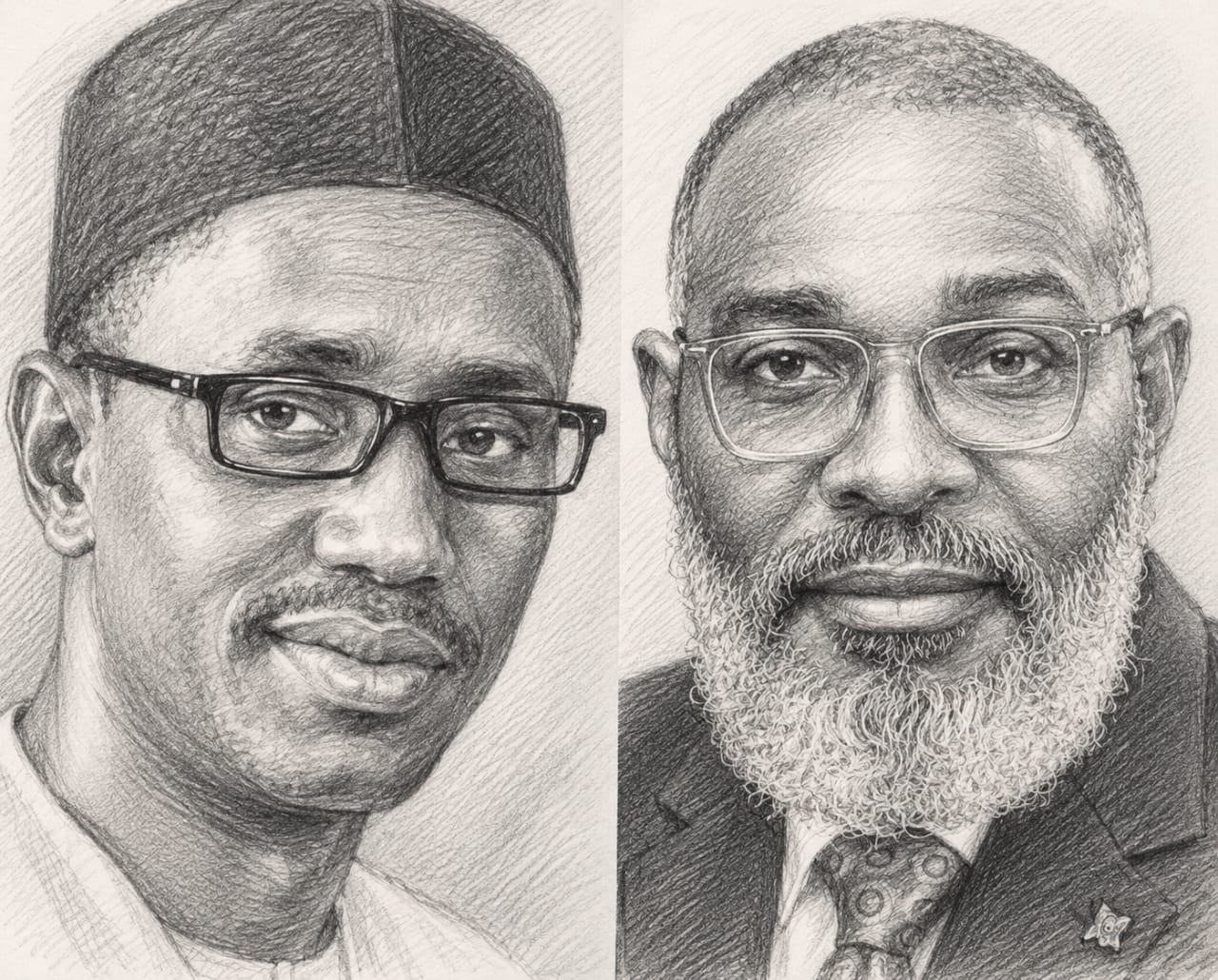
Kishiya: Between Ribadus ONSA and Famadewas Homeland Security
By Yushau A. Shuaib
One of the most remarkable and often underappreciated examples of harmonious coexistence in public office was the working relationship between former President Muhammadu Buharis two presidential spokespersons, Femi Adesina and Garba Shehu.
At the time of their appointments, many observersincluding this writeranticipated inevitable friction. In an article I wrote shortly after their emergence in June 2015 titled The Presidential Spokespersons (https://cutt.ly/ntVD9GYM), I had raised concerns over hierarchy, precedence, and the potential katakata that could arise from having two powerful media figures operating within overlapping communication responsibilities.
Traditionally, the office of Special Adviser was considered superior to that of Senior Special Assistant. Yet, contrary to fears and political predictions, both men served for eight years without any visible acrimony.
That uncommon maturity was later reflected in their best-selling memoirsWorking with Buhari by Adesina and According to the President by Shehuboth offering different yet complementary perspectives on the same administration, without bitterness or public rivalry.
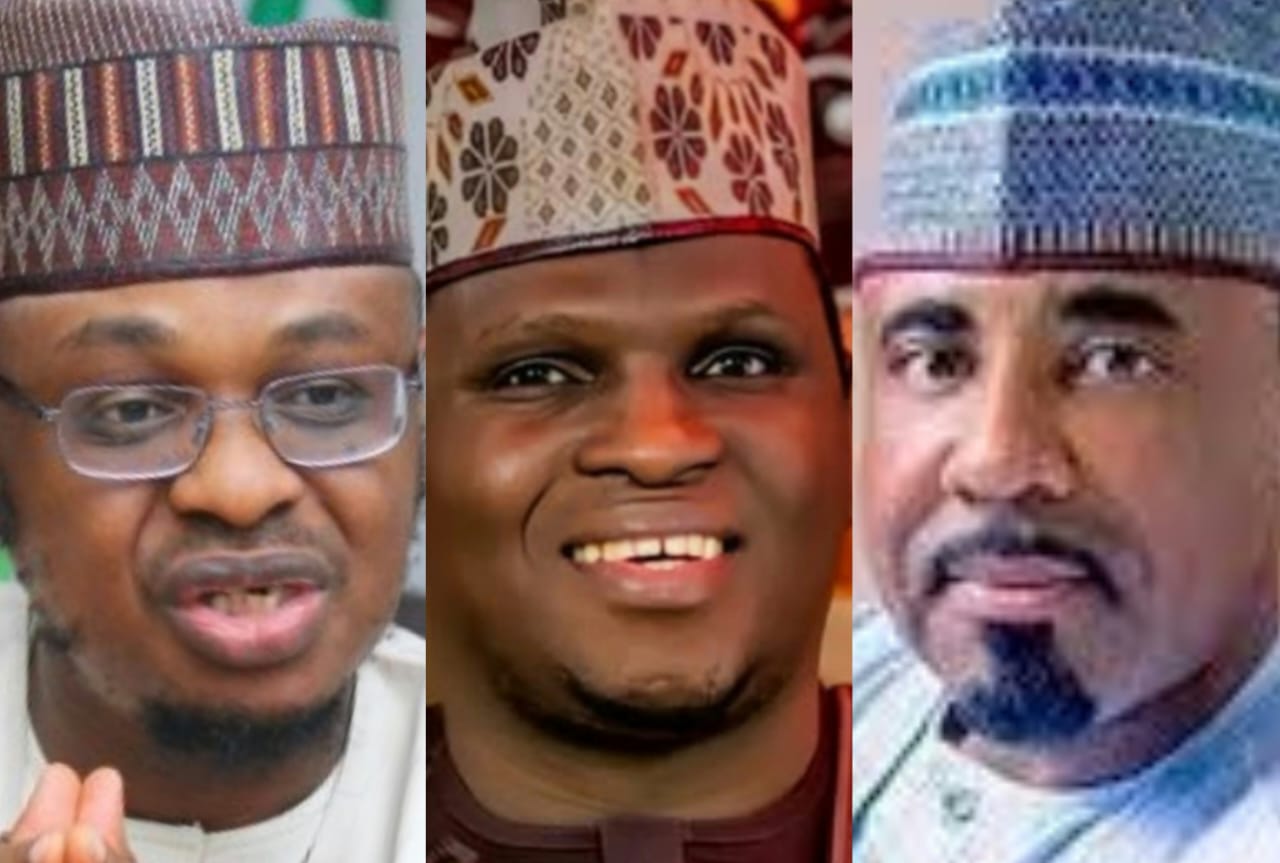
Nigeria now appears to be entering another delicate institutional moment this time within its security architecture. While President Bola Ahmed Tinubu was on an official three‑nation trip to France, Kenya and Rwanda, and the National Security Adviser, Nuhu Ribadu, was representing Nigeria in high‑level meetings with U.S. Vice President J.D. Vance and Acting National Security Adviser/Secretary of State Marco Rubio in Washington, news broke announcing the appointment of retired Major General Famadewa as Adviser on Homeland Security.
The announcement generated immediate reactions within security and political circles. Though there had been speculations that some influential interests were uncomfortable with a non-military figure serving as National Security Adviser, many still considered the timing and structure of the appointment curious.
Ironically, the debate over Ribadus suitability began immediately after President Bola Tinubus inauguration in May 2023. I wrote then on The Person Needed for President Tinubus NSA, (https://cutt.ly/FtVSeT67) and later, when Ribadu was first announced as Adviser on Security Matters, I published Nuhu Ribadu and the NSAs Statutory Mandates (https://cutt.ly/YtVSr2lH). In both pieces, I argued that effective national security management is not the exclusive preserve of military officers. Globally including in the United States and the United Kingdom many national security advisers come from legal, diplomatic, intelligence, or academic backgrounds rather than active military command. That position remains valid.
The Office of the National Security Adviser (ONSA) is a legally established institution with broad statutory responsibilities covering intelligence coordination, strategic security policy, counterterrorism supervision, and inter-agency collaboration. Over the years, it has evolved into the central coordinating hub of Nigerias security ecosystem.
By contrast, there is presently no clearly defined legal framework outlining the mandate of the newly created Homeland Security office. However, Presidency insiders suggest that the concept is modelled after the United States Department of Homeland Security, with focus areas expected to include immigration, civil defence, border management, and domestic intelligence coordination.
In fairness to both men, neither Ribadu nor Famadewa lacks credentials or commitment. Ribadu has shown exceptional loyalty across administrations. As EFCCs pioneer chairman under President Obasanjo, he confronted corruption head‑on, taking on politically exposed individuals once considered untouchable. As NSA under President Tinubu, he undertakes risky visits to volatile security zones, conducts intensive diplomatic shuttle missions, and consistently defends Nigeria against negative international narratives, ranging from terrorism designations to money‑laundering and governance concerns, among his statutory responsibilities.
General Famadewa, on the other hand, may not enjoy the same public visibility, given his deep roots in military intelligence operations. Intelligence officers are rarely household names. Yet, during the Buhari administration, Famadewa was widely regarded as one of the stabilising forces behind the tenure of former NSA, retired Major General Babagana Monguno.
Read Also:
As Principal Staff Officer at ONSA, Famadewa played strategic and operational roles during periods of intense bureaucratic and political turbulence. Despite pressures from competing interests within and outside the Presidency (Aso Rock), Monguno survived eight difficult years largely because of the institutional discipline and strategic coordination around him.
Famadewa is an intellectual soldier, a disciplined spymaster, and an unusually humble gentleman. But beneath that calm disposition lies a workaholic officer known for confronting challenges directly and methodically.
The controversy surrounding the new appointment is therefore less about competence and more about timing especially since both the NSA and the President were outside the country when it was announced. That naturally fuelled speculation.
Beyond timing, there is also concern about overlapping mandates. The titles National Security Adviser and Homeland Security Adviser are similar enough to create ambiguity in an already sensitive security environment. What exactly distinguishes national from homeland?
In bureaucratic systems, unclear lines of authority often breed rivalry, duplication, and institutional tension. This is especially delicate considering that Ribadu is a retired Assistant Inspector General of Police with strong intelligence and law enforcement credentials, while Famadewa is a retired Army Major General with intelligence expertise. In a country where inter-agency rivalry has historically weakened national security coordination, perceptions matter almost as much as policy.
Nigeria has witnessed periods when institutional harmony depended less on rank and more on personal chemistry and presidential clarity. There was even a time when an Army Colonel serving as NSA commanded greater inter-agency respect than some retired generals occupying ministerial positions. That experience demonstrated that security management effectiveness is not solely determined by hierarchy but also by charismatic leadership and presidential backing.
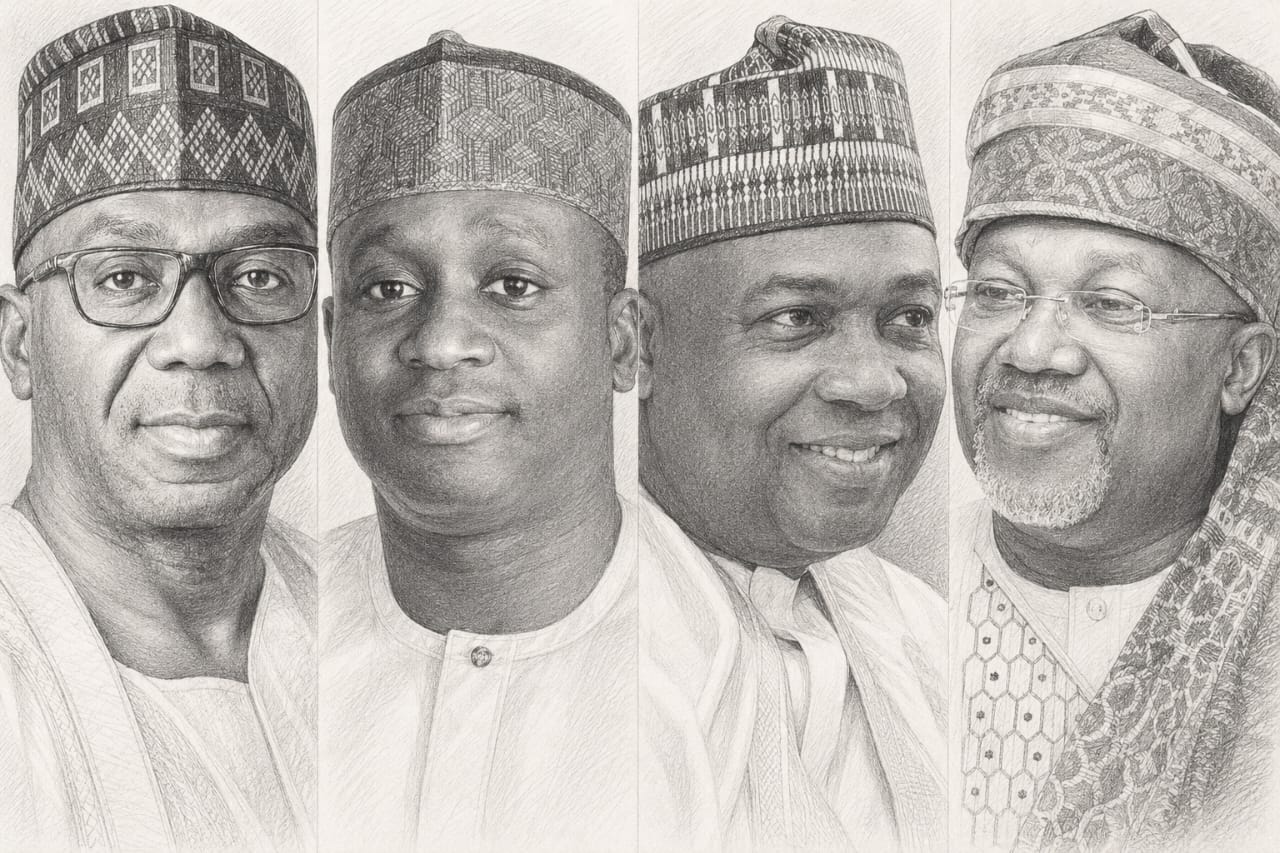
Another dimension of the debate is the growing public concern over what I previously described as the Yorubanisation of key security appointments. Currently, strategic positions such as the Chief of Defence Staff (Military), the Inspector General of Police (Security) and the Director-General of the DSS (Intelligence) are occupied by individuals from the same broad Yoruba ethnic bloc in the Southwest, while the NSA remains the only top‑level, non‑ministerial security position occupied by a Northerner in this case, a Fulani.
Whether fair or exaggerated, such perceptions matter in a multi-ethnic federation like Nigeria, where balancing appointments remains politically sensitive.
Professionally speaking, the controversy could have been avoided if a dedicated Department or Agency of Homeland Security had been created with a clearly defined operational framework similar to the National Counter‑Terrorism Centre under ONSA, which already operates effectively under a serving military general. Such an approach would have preserved institutional clarity and strengthened operational efficiency.
Politics may be transient, but institutional reputation endures. President Tinubu has demonstrated a strong commitment to tackling insecurity in the North, and Nuhu Ribadu has invested significant political and personal capital in defending the administrationoften at considerable reputational cost. The recent commendation by President Donald Trump on Nigerias counter‑terrorism efforts and intelligence coordination with the US military, following the elimination of ISIS/ISWAP leadership just a week after Ribadus visit to Washington, underscores this point.
It is therefore understandable that the latest arrangement has raised concerns about diminished authority or strategic sidelining.
Meanwhile, the AdesinaShehu experience under Buhari shows that duplication doesnt cause dysfunction when roles are clear and egos are managed. Our security system must be protected from turf battles, policy confusion, and political interference.
The Presidency should clarify the mandates, reassure Nigerians that the security leadership is united and focused, and likewise counter the mischievous portrayal of the appointment as kishiya in Hausa.
Anything short of timely clarification risks giving critics room to make derogatory claims of used and dumped.
Yushau A. Shuaib, author of An Encounter with the Spymaster and Award-winning Crisis Communication Strategies, [email protected]