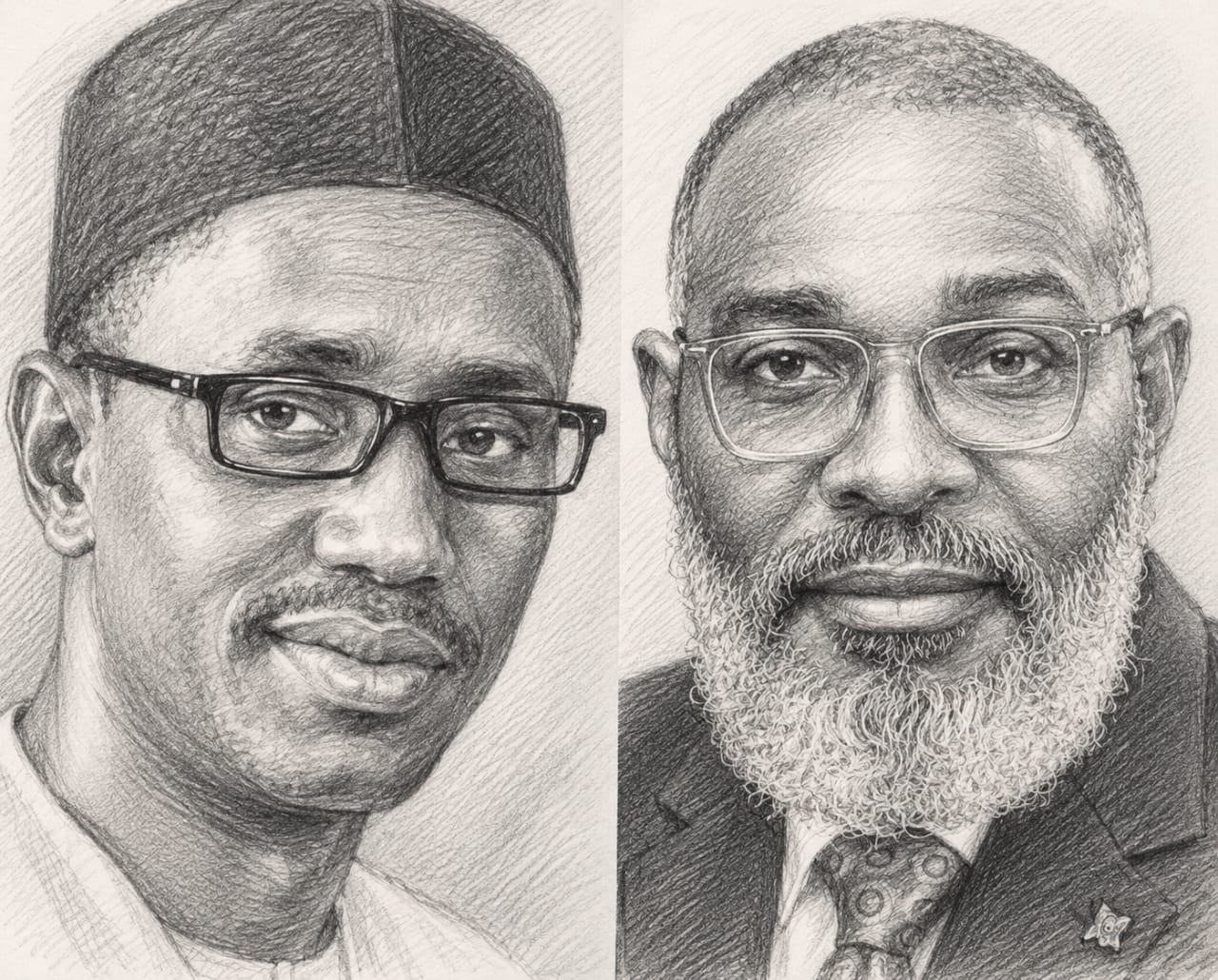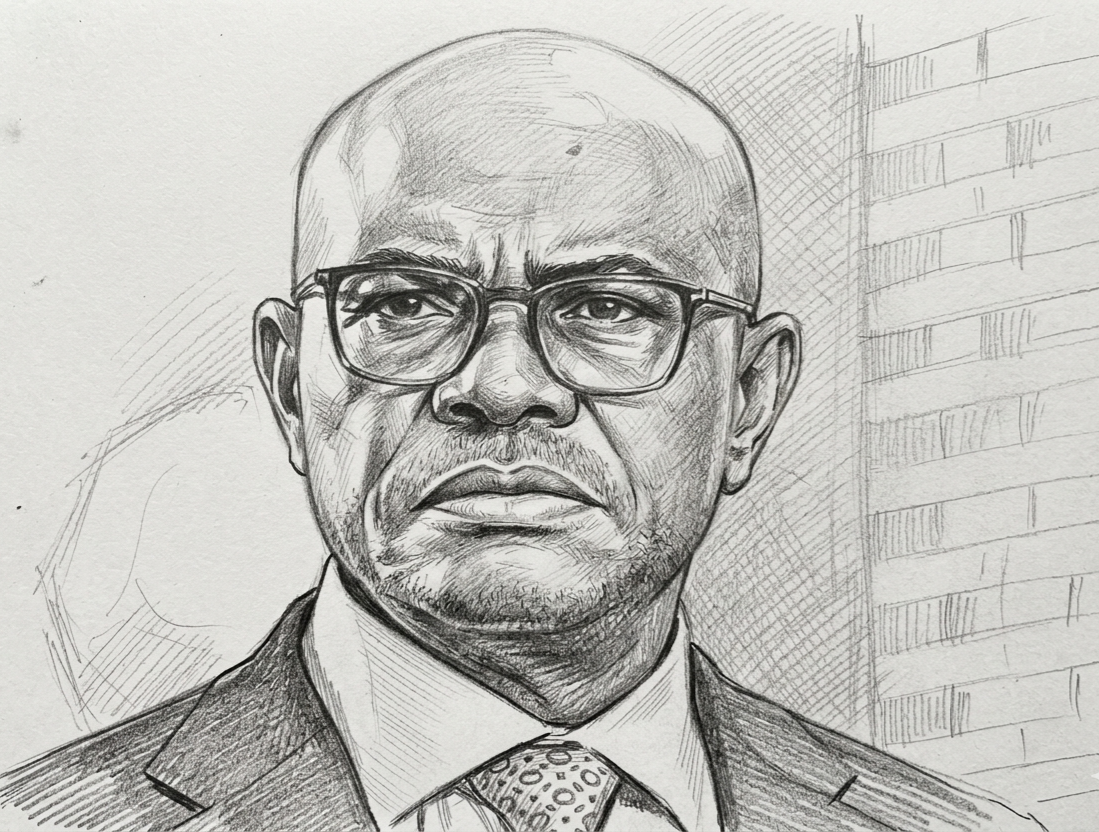


Dotun Oladipo: Why Does Sudden Death Take the Good and Spare the Wicked?
By Yushau A. Shuaib
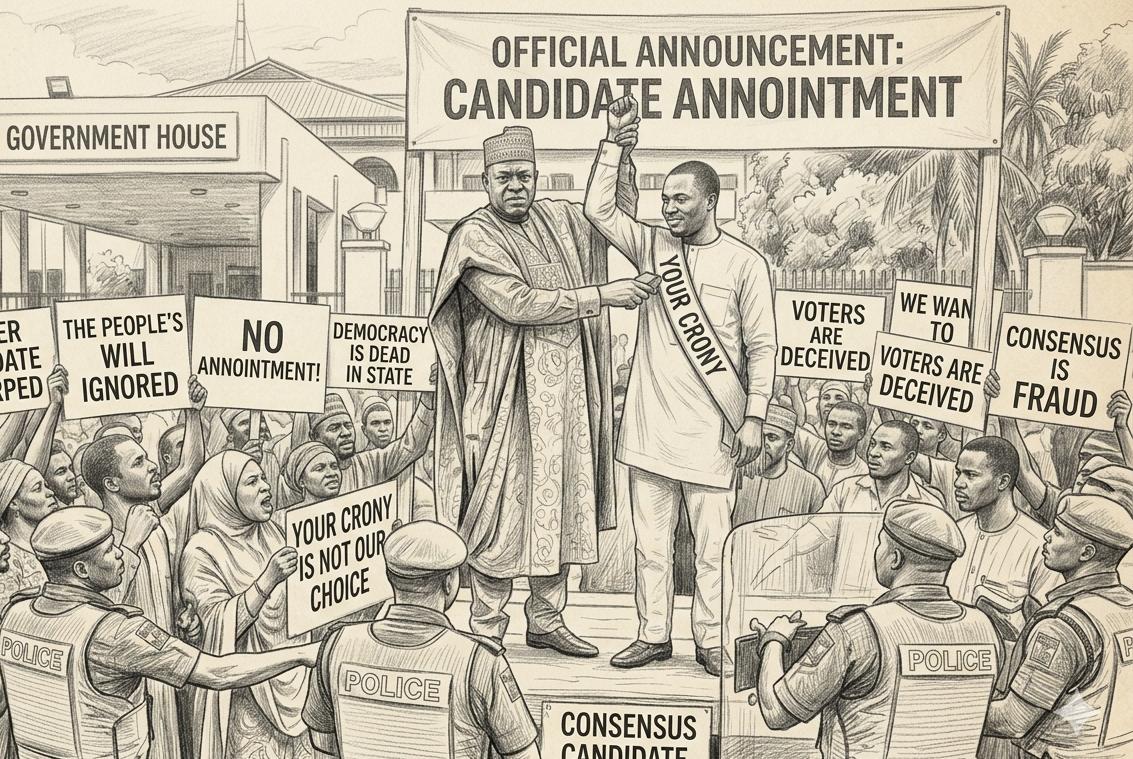
On the afternoon of Tuesday, August 25, 2026, I exchanged messages with Dotun Oladipo respected journalist, former President of the Guild of Corporate Online Publishers (GOCOP), and publisher of The Eagle Online. I sent him a report on the unfolding political rivalry in Katsina State between the camps of Governor Dikko Radda and Tinubus adviser, Ibrahim Masari which allegedly led to the arrest of security aides attached to the governor for publication on his platform.
In his characteristically simple and professional manner, Dotun asked me to forward it to his Gmail address instead of the Yahoo account I had previously used. I obliged. Within minutes, the article was published, and a few hours later, he promoted it as the lead story in his WhatsApp news broadcast.
That was Dotun: no bureaucracy, no excuses, no endless promises. If a material was newsworthy and suitable for his platform, he acted promptly.
The next day, as I prepared to attend a programme, my son Gidado called.
Dotun Oladipo is trending everywhere, he said.
I smiled instinctively. When good people trend, one hopes it is for good reasons an appointment, an award, a promotion, or another professional milestone.
Then he completed the sentence.
They say he is dead.
What? What! I screamed.
It struck like a thunderbolt. I immediately returned to our last conversation. I checked the messages. I looked again at the article he had published. Everything had happened less than twenty‑four hours earlier. How could a man who had just attended to a professional request suddenly become the subject of an obituary?
Reports said Dotun died at 56 after suddenly taking ill at his office in Lagos. Colleagues said he had appeared well earlier in the day and had even gone to the gym before proceeding with his normal activities. He reportedly became unwell at work and sought medical attention, but he did not survive. Some reports suggested a heart attack, though the precise medical cause should be left to those competent to establish it.
But in that moment of grief, my mind rebelled against the cold logic of mortality.
Why does sudden death sometimes appear to pick the good ones even those, like Dotun, who had just observed the physical exercise recommended for medical fitness? Why would it take a patriotic journalist, a gentleman, and a friend, while bandit kingpins, terrorist commanders, and others who inflict misery on innocent citizens continue to roam?
Why do people who work for peace and national stability depart without warning, while those who threaten the peace seem to survive one violent episode after another?
Of course, these are not questions mortals can answer. Death does not operate according to our understanding of fairness or fitness.
My relationship with Dotun spanned many years. I came to know him more closely during Nigerias most challenging security period, when the Forum of Spokespersons of Security and Response Agencies (FOSSRA) was coordinated under Major General Chris Olukolade and supported by the Office of the National Security Adviser under Colonel Sambo Dasuki (Rtd). It was also the era when PRNigeria strengthened its role in security reporting and crisis communication.
Read Also:
Those were difficult years. Boko Haram dominated headlines, security agencies were under immense pressure, and public confidence was constantly shaken by conflicting reports and propaganda. The relationship between security institutions and the media was therefore critical. Journalists had to balance the publics right to know with the responsibility not to compromise operations, while security agencies had to recognise that journalists were not adversaries simply because they asked hard questions.
Dotun understood that delicate balance. He believed in journalism, but he also understood national responsibility.
Our interactions continued long after that period. Until the article he published barely hours before his death which he even promoted as the lead story in his final WhatsApp news broadcast Dotun remained remarkably consistent. Whenever I sent him something newsworthy, he responded promptly. Sometimes it was purely professional; at other times, it carried the quiet solidarity colleagues extend to one another without making a ceremony of friendship.
Dotuns professional journey spanned nearly three decades across major Nigerian newsrooms Nigerian Tribune, Nigerian Compass, The Sun, and PUNCH, where he served as Politics Editor before establishing The Eagle Online. His contribution to digital journalism was significant. There was a time when online journalism in Nigeria was treated as the unruly younger cousin of traditional media associated with sensationalism, poor verification, and weak gatekeeping.
People like Dotun helped change that perception. Through The Eagle Online and his leadership in GOCOP, he belonged to a generation of publishers who proved that online journalism could be fast without being reckless, competitive without abandoning ethics, and independent while still respecting professional standards.
He understood something that remains relevant today: the platform may change, but the fundamentals of journalism should not. Holding leaders accountable does not mean abandoning responsibility to the nation. Dotun represented the bridge between the traditional newsroom and the digital environment that now defines journalism.
Beyond the profession, I remember the human being a patriotic Nigerian, a dependable colleague, a gentleman who valued friendship and professional solidarity, and a publisher who could receive an article and, without drama, publish it within minutes if he considered it worthy.
As I mourn Dotun Oladipo, I also reflect on the peculiar vulnerability of journalists. We chase deadlines, manage breaking news, respond to calls at odd hours, travel unexpectedly, confront professional pressures, and carry burdens audiences rarely see. We report everyone elses emergencies while sometimes ignoring the warnings from our own bodies.
The circumstances surrounding Dotuns passing should remind media professionals and indeed all of us that health deserves attention even amid the pressure of deadlines and obligations.
At 56, we shared the same age, and by human reckoning he left far too soon. Yet life is ultimately measured not by how long we stay, but by what we leave in the minds and lives of others.
My brother Dotun, I still struggle to reconcile our last exchange with the obituary that followed. Yesterday, you were the publisher receiving my article; today, you are the subject of one. The deadline has finally come for a story none of us ever wished to publish.
Good night, Dotun Oladipo and with tears, I send this one last message to your favourite email, [email protected].
Yushau A. Shuaib
Publisher, PRNigeria & Economic Confidential
[email protected]