Category: Features

  • A Rejoinder to Igbo Intellectuals on the Biafran Minister in Buhari’s Government

    A Rejoinder to Igbo Intellectuals on the Biafran Minister in Buhari’s Government

    A Rejoinder to Igbo Intellectuals on the Biafran Minister in Buhari’s Government
    By Yushau A. Shuaib

    Recently when I joined up with Jaafar Jaafar and Abdulaziz Abdulaziz as Northern writers in the campaign for the appointment of an Igbo military officer to the position of the Nigerian Chief of Army Staff, it was a deliberate and sincere effort towards the socio-political stability of the country, which appears deeply riven, at this point, on the issue of the affirmation of its diversity. It was also an attempt to draw attention to the need to insulate a critical institution like the Nigerian Armed Forces from pernicious disaffection by all the different stakeholders of the Nigerian nation.

    As a beneficiary of the hospitality, good-naturedness and warmth of others in Nigeria, and particularly the Igbo in Asaba, Delta State, which I consider another home away from home during my NYSC, I have always used every forum to appreciate the Nigerian diversity, while pointing out the difference between the regular fellow citizen – whose fate and circumstances are similar to those of mine – and those who have very limited tolerance for difference, and are inclined towards violent discriminatory – if not separatist – acts.

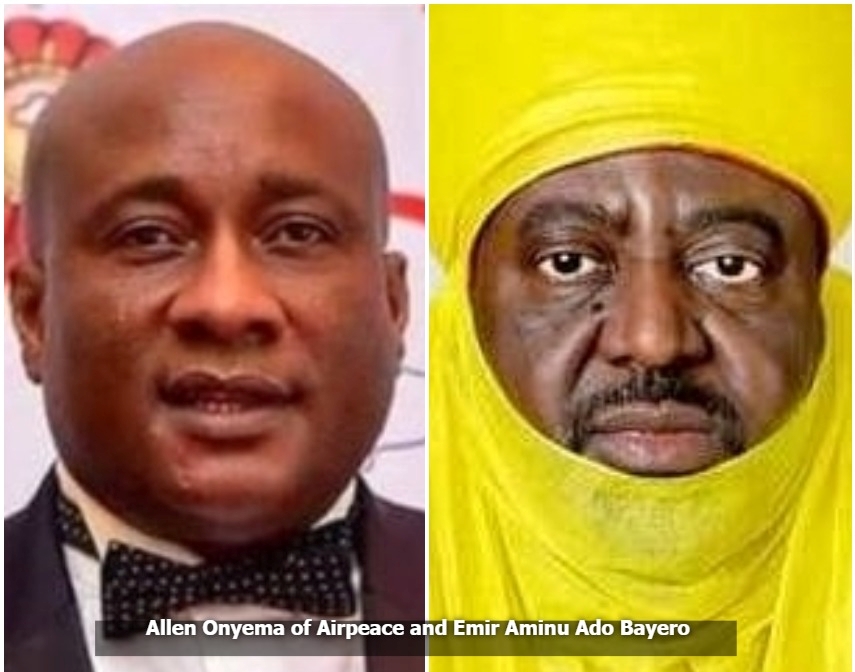
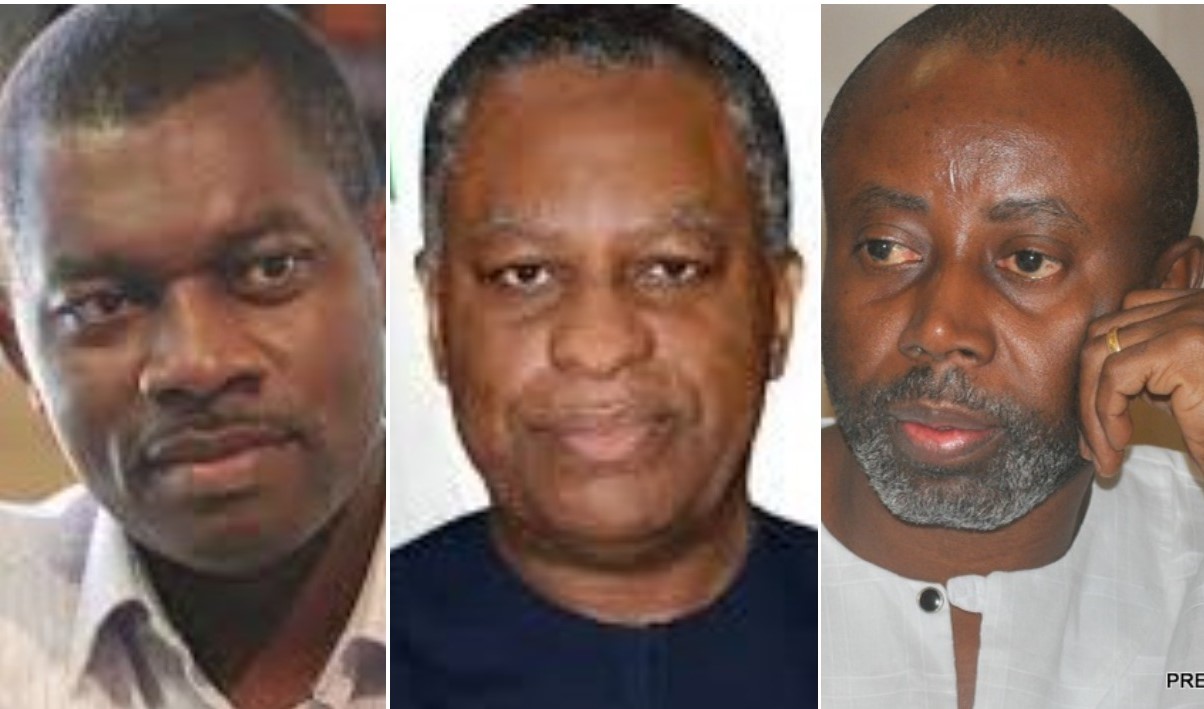
    Discrimination and a narrow point-of-view have always been a great source of concern for me, as it encapsulates some of the things that are fundamentally wrong with Nigeria. While I belong in the company of those who have been routinely called names and casted aspersions on by others, because we insist on national unity rather than separatist campaigns or agenda, it was of great shock to me to read a recent piece “Open Letter To The Most Senior Biafran In Buhari’s Government” by two Igbo intellectuals, Rudolf Okonkwo and Chido Onumah. In the first place, they addressed their missive to the Minister of Foreign Affairs, Mr. Geoffrey Jideofor Onyeama, who was described as “the most Senior Biafran in Buhari’s Government”! I don’t even know what that means, especially as there are other ministers in the present government who are senior to the gentleman referred to both in age and experience in politics and government. One then wonders the purpose of this reference.

    The opening paragraph of the widely syndicated letter quickly confirms its intent, as the writers make no pretence at concealing the intensity of the animosity they hold against the President of Nigeria. Not only did they condemn President Muhammadu Buhari in very strong terms, but they also deploy the most derogatory of language, with such examples as: “his (Buhari’s) cognitive impairment has greatly deteriorated, even though that is no justification for his murderous and genocidal rhetoric.” Imagine such a choice of words in describing the leader of a country!

    While addressing the Foreign Affairs Minister, they wrote thus: “From his (Buhari’s) utterances, the gap between things his innermost mind conjures and what his mouth utters has been completely erased. We also chose to write you (Onyema) because you are the most senior Biafran in Buhari’s government. We know that in your world, Biafra is the worst tag that anyone could put on you. Unfortunately, the people you work with, in and around Aso Rock, see you as a Biafran. You can keep running away from it, but in the deepest corners of their eyes, Biafra is like a shell on you. And like a snail, you cannot cast it off.”

    I only hope the two writers know the implications of the above statement to other Nigerians, whether within or outside the government, who don’t share in their Biafran agitation and quest. The import of the very offensive remarks quoted above could easily create suspicions in the relationship between the Igbos and non-Igbos in the Buhari Administration, and by extension among other Nigerians.

    In another paragraph in their “Open Letter,” the writers seek to put the Minister in a tight corner, as if he is in cahoots with them, when they say that, “Over the last six years, we are aware of your (Onyema) hard work on the international stage to rescue this government’s reputation. As this government squandered both at home and abroad the enormous goodwill it received in 2015, you have worked hard to reassure the international community that the wheel of the Nigerian vessel had not come off and would not come off. Based on recent events, you do not need a soothsayer or us to tell you that the wheels came off a long time ago. What the international community was telling you in private weeks ago, they have made a tiny bit of it public following the debacle that is Buhari’s reaction to Twitter’s sanction of his genocidal tweet against the people of the South-East.”

    From the above, are they claiming that they were privy to the proceedings of the meeting?

    Also, while they expressed their utter disdain for the President, they yet never disclosed that the same Buhari had nominated Igbo politicians as his running mates in previous elections, which however failed because the majority of South-Easterners refused to vote for the tickets he was on.

    Meanwhile, when Buhari finally choose a Yoruba man as running mate, they not only became possibly the best-known opposition candidates in Nigerian history, but they went on to win elections into the presidency on two continuous occasions.

    Whereas they mention the already outlawed and proscribed group, the Indigenous People of Biafra (IPOB) once in the entire lengthy article, they yet attempted to whitewash its leader by claiming that “Nnamdi Kanu is a product of Buhari’s incompetence” and that “Buhari’s paranoiac frenzy about anything Biafra turned what was Nnamdi Kanu’s agitation for justice and fairness into what it is today.” Surprisingly, they added that, “The president made Nnamdi Kanu a hero by locking him up and disobeying court orders to free him.”

    Yet, it is quite easy to forget that there was hardly anything exclusive about the fate suffered by Nnamdi Kanu, as he had similar journeymen in Col. Sambo Dasuki (rtd.) and Sheikh Ibrahim El-Zakzaky who have been punished greatly by the same act of disobedience to court orders. These are Northerners who have suffered gravely in the hands of the government, but who have not instigated rampages that habitually kill the Police and other security personnel, while destroying public property in their region, just because of the injustice meted out to them by the state.

    While IPOB is mentioned only once in the article, and this was in their defence, the writers nevertheless mentioned Boko Haram several times for obvious reasons, even though terrorists and acts of terrorism need to be engaged within the same frame and treated in the same manner. They even created an interesting leeway in their description of IPOB militants as ‘Biafran activists,’ as put in the sentence that, “whatever excesses Biafran activists exhibit pale in comparison to the activities of well-armed, long-established northern-based groups, most of whom are from the president’s ethnic stock.”

    May I ask: what is the composition of this ethnic stock of the president? Is it Fulani, Kanuri, Arewa, Muslim, etc., because he is all of these?

    Still, Rudolf Okonkwo and Chido Onumah fail to refer to the killing of dozens of security personnel, including officers of the Police and the Armed Forces, in the East and the destruction of security formations and facilities, including Police stations and Prisons, but they would rather blame the security agencies. According to the “Open Letter”, the two writers mentioned that President Buhari would send Onyema “to crisscross the world and lie for him…. lying that there were no killings of innocent young men and women in the South-East by security agencies.” What about the security personnel killed in the various outbursts of local insurrection, could it be that they are considered as less human than the others who got murdered and hence deserved no mention or for anyone to seek justice on their behalf?

    What about the killing of Northerners, especially Muslims, alongside the looting, as well as destruction of their goods in the South-East by gangs of the so-called Unknown Gunmen?

    The Biafran writers refused to refer to reckless incitements of the IPOB leader, Nnamdi Kanu against the federal troops, even as he repeatedly describes Nigerians and the country as ‘animals and a Zoo.’ Neither did they mention that the IPOB that they have refigured as some sort of freedom movement has actually been proscribed by law for its various criminal, treacherous and treasonable offences.

    The writers did not deem it appropriate to point out that their revered hero, Nnamdi Kanu is a fugitive who jumped bail and had his sympathisers, including lawyers and activists, lie so brazenly by sensationally claiming that he had then been abducted by security agencies, while he had really been ferried abroad by these same supporters.

    As I had mentioned in one of my articles titled, “Between the Nigerian Igbos and Biafran Agitators,” (https://yashuaib.com/2017/06/nigerian-igbos-biafran-agitators/) written in June 2017, I said “the Ndigbo are spread across every nook and cranny of Nigeria. The Igbo speaks local dialects and respects the cultures of his host communities. He believes every part of Nigeria is a home away from home and adopts the same as his place of residence. Experience has shown that if you go to any community and you do not find an Igbo person there, your had better leave that town immediately. Any city without an Igbo person is not business-like. On the other hand, a Biafran agitator is not exposed to other parts of Nigeria besides Igboland, and even if he might have grown up in the diaspora, he only learnt the distorted history of Nigeria through myopic and eccentric points-of-views. The agitator hates other Nigerians and possibly believes in violent confrontations towards the actualisation of his dream of the Republic of Biafra.”

    While I still stand on the fact that there are differences between peace-loving Igbos and IPOB militants and their sympathisers, as one who is permanently sold on Nigerian diversity and the strengths and possibilities it represents, I wish to urge that as Nigerians, we should all be very careful about the sort of divisive politics that we promote. And how we seek to cherry-pick events to lend a morbidly dark interpretation to our national experience at this, no doubt, challenging point in time, while working towards an end that might not be totally salutary.

    Yushau A. Shuaib
    Is the author of “An Encounter with the Spymaster”
    www.YAShuaib.com

  • An Encounter with Gen Attahiru, Spy Chief a Week Before their Death

    An Encounter with Gen Attahiru, Spy Chief a Week Before their Death

    An Encounter with Gen Attahiru, Spy Chief a Week Before their Death
    By Yushau A. Shuaib

    “Mallam Yushau, can you see me at Niger Barrack today?” – General Attahiru

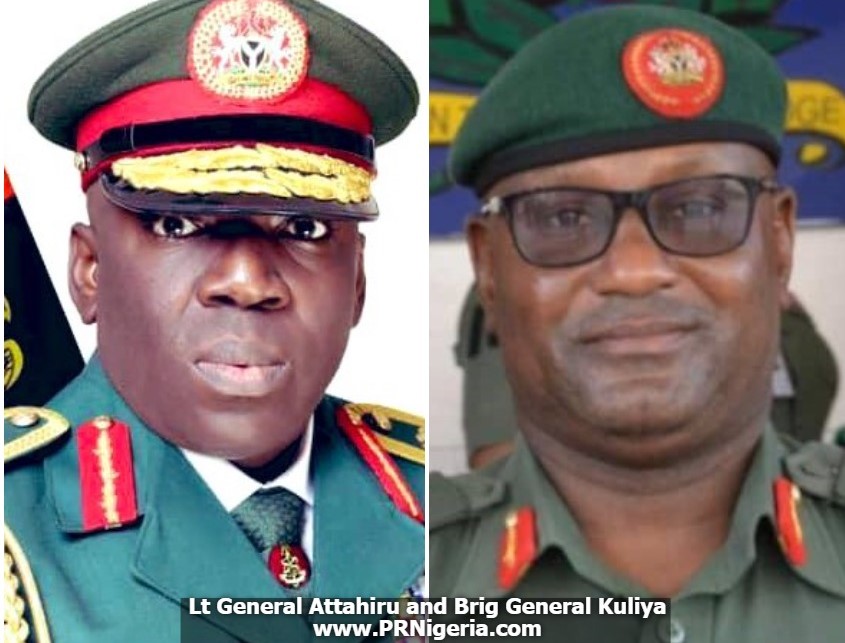
    I received the above phone message on Sallah Day, Thursday May 13, 2021, from the late General Ibrahim Attahiru, the former Nigerian Chief of Army Staff (COAS) just a week before his death alongside other military officers in a plane crash in Kaduna.

    The nation was thrown into mourning over his death even as his immediate past predecessor and Ambassador-Designate, Lt.-Gen. Tukur Buratai (rtd), noted that Attahiru was on the verge of making the nation proud in the national counter-insurgency and counter-terrorism efforts when the tragedy occurred.

    Gov Babagana Zulum of Borno State also admitted that the late COAS was evidently committed to the fight against Boko Haram and determined to contribute significantly to ending the insurgency.

    Similarly, President Muhammadu Buhari praised Attahiru for his gallantry in the war against insurgency and described him as a military chief who led from the front. Equally, former President Goodluck Jonathan highly commended the late Army Chief and other officers who died in the course of service to the country as patriots who died with their boots on.

    On that Sallah Day when I received his invitation, I reached out to the Army spokesperson, Brigadier-General Mohammed Yerima and we both drove to General Attahiru’s residence. There, we were received by his then ADC, the now late Major Lawal Hayat, who ushered us into the lobby, since the COAS was then with the Chief of Intelligence, now late Brig-Gen Abdulrahman Kuliya, and his Chief of Staff, also now late Brig-Gen Mohammed Abdulkadir.

    While waiting in the lobby, I recalled my first encounter with Attahiru about eight years ago, precisely on November 29, 2013, when the Office of the National Security Adviser (ONSA) had hosted security spokespersons and top editors of media houses to an interactive forum intended to create and sustain a working relationship between the media and the security sector, towards promoting the national interest.

    Attahiru was then the Army spokesperson and Director of Army Public Relations. It was the outcome of that meeting that gave birth to the Forum of Spokespersons of Security and Response Agencies (FOSSRA). During the meeting, he was articulate and demonstrated eloquence, as he emphasised the desirability of information-driven by the media, intelligence gathering inspired by communities, and counterterrorism championed by the military and other security services.

    It was after that encounter that we sustained a brotherly relationship and I gradually came into a greater awareness of Attahiru, not only as a very keen professional who understood his brief at each point and always delivered on this to the best of his ability, but equally as a highly humane person with a strong sense of empathy, support and solidarity.

    As fate would have it, he had recorded successes in the various offices he held, even if these were just brief stints. He accomplished assigned tasks when he was a Military Commander in the Bakassi Peninsula and the Niger Delta region before becoming General Officer Commanding, 82 Division of the Nigerian Army, Enugu.

    While he was Theatre Commander of Operation Lafiya Dole in North-Eastern Nigeria for just six months in 2018, he brought relative stability to the region, with the elimination of several Boko Haram commanders and the surrender of their combatants.

    Similarly, his outstanding records are glaring when he was Deputy Chief of Policy and Plans at the Army Headquarters, and later as the Chief of Defence Transformation and Innovation, and the Chief of Defence Logistics at the Defence Headquarters, Abuja.

    Apart from acquiring higher levels of education at the Salford, Bournemouth, Nairobi, China and Geneva, Attahiru had served as an Instructor at the Depot Nigerian Army, Nigerian Defence Academy and the Nigerian Army School of Infantry. He later became Chief Instructor at the Armed Forces Command and Staff College, Jaji, Nigeria.

    On his appointment as Chief of Army Staff, the late military tactician had exhibited a very national outlook in the deployment of officers, with his approach also anchored on the principles of seniority, professionalism, and competence. For strategic reasons, he had deployed heroic field commanders of Southern origin for operations in the North of Nigeria, and similarly, gallant officers from the North were assigned to operations in the South. It was, therefore, not surprising when he retained some of his course mates in the service and assigned one of the most senior Army officers, General Ben Ahonatu from Anambra State as the Chief of Policy and Plan (COPP) at the Army Headquarters.

    Apart from his nationalistic deployment of officers, he undertook several risky missions to the theatres of operation nationwide to motivate the troops and give assurance to host communities. He occasionally gave deadlines for military operations. For instance, on February 22, 2021, while on the frontline in Dikwa, he ordered the troops of the then Operation Lafiya Dole under the command of General Faruq Yahaya to clear and recover “Marte, Chikungu, Wulgo, Kirenowa and Kita in Borno State from terrorists within 48 hours.” The nation was delighted when the military met the deadline by eliminating scores of terrorists and rescuing many victims. He had also been very resolute and passionate on the indivisibility of Nigeria that he was determined to tackle secessionist agitators frontally.

    While it would be inappropriate to delve into the nitty-gritty of intelligence work, the late COAS’s deployment of Brigadier General Kuliya as the spy chief was widely celebrated in the security services as that decision played significant roles in disorganising terrorist camps through strategic infiltration.

    Following the penetration Kuliya had engineered, violent confrontations broke out among fighters of the Boko Haram and ISWAP groups, leading to the reported death of the erstwhile Boko Haram leader, Abubakar Shekau, among others.

    As I ruminated over Attahiru’s accomplishments within a short period in office, Major Hayat walked into the lobby with the information that the Army Chief was ready to receive us on that Sallah day. We then ran into and exchanged greetings and banters with Brigadiers-General Kuliya and Abdulkadir, who were on their way out of the residence.

    On meeting him, General Attahiru had asked after the preparations we were making for the then forthcoming training of Army Public Relations Officers (PROs), which was scheduled for the following week, from May 19 to 22, 2021. I informed him that everything was going well, according to the coordination plan of the Centre for Crisis Communication (CCC) and the Department of Army Public Relations (DAPR).

    Attahiru believed that a mutual relationship between military spokespersons and the media would go a long way in achieving positive results in counter-insurgency campaigns. He always advised security spokespersons to enhance their conflict-sensitive communications skills, in order to build mutual trust with the civil populace.

    General Attahiru had assured us that he would be present at the Opening Ceremony of the workshop before we left him that day as he prepared to travel to the frontline to celebrate Sallah Festivity with the troops the following day.

    On the first day of the workshop, he could not make it because he attended a Conference of General Officers Commanding (GOCs) in Ibadan, Oyo State. On the second day, he could not make it because he attended an Air Force programme with the Minister of Defence in Makurdi, Benue State. On the third day and closing ceremony of the PR workshop, General Attahiru could still not make it because he was attending important security engagements and preparing for another official trip the same day. After his afternoon prayers, he was flown out of Abuja to Kaduna for the newer official assignment, and the plane crashed just before their arrival at the destination.

    Yushau A. Shuaib
    Author An Encounter with the Spymaster
    [email protected]

  • PR Wise: The Presidency, Pantami and Mbaka

    PR Wise: The Presidency, Pantami and Mbaka

    PR Wise: The Presidency, Pantami and Mbaka
    By Yushau A. Shuaib

    In public relations practice, decision-making processes on an issue and crisis management are always the toughest before any act of communication can be effectively executed.

    Unlike journalism that feasts on bad news, which is what sells, the tradition of public relations or PR is to engage in ‘damage control’ through effective crisis communication strategies.

    The key to successfully navigating a crisis is through preparation and teamwork, as the communicator needs a fast and carefully crafted response to minimise damage and prevent reputational erosion.

    I was not only alarmed but I have been deeply concerned about some recent statements by the Presidency, particularly through its spokespersons, Mr. Femi Adesina and Mallam Garba Shehu, who have both incidentally served as Presidents of the Nigeria Guild of Editors (NGE) in the recent past.

    Some of their reactive statements to issues could essentially be described as journalistic, for the predilection towards making news headlines, and these have been quite disturbingly below the standards of PR, which tend towards demonstrating empathy, employing diplomacy and forestalling the attrition of relationships, when responding to issues of deep concern.

    The recent statements by the Presidency over what they considered as the unsavoury comments of Father Ejike Mbaka, alongside the reaction to allegations of the past extreme views of Dr. Isa Pantami, the Minister of Communication and Digital Economy, are teachable instances of how not to engage in public communication. If anything, they can both be said to have been hasty in their conception and execution, and ultimately needless.

    Dr. Pantami, an Islamic cleric as well as an ICT scholar, was alleged to have proffered extremist views in the past while describing some religious extremists as “fellow Muslims,” and praising the leadership of Al Qaeda in a video. Another report claimed that Dr. Pantami had chaired a meeting in a North-Eastern state in Nigeria, which had sat to plan an attack on a Christian governor in the North-West of the country.

    While Pantami has come out to blame immaturity, ignorance, and a lack of exposure to global politics for some of the opinions he expressed over a decade ago, he has equally expressed regrets for those once-held views and recanted on them, while denying some other untoward allegations made about him. In seeming solidarity to his plight, the Kaduna Chapter of the Christian Association of Nigeria (CAN) and the Supreme Council for Islamic Affairs (NSCIA), among other groups, have faulted some of the allegations levelled against the Minister.

    While some commentators called for his resignation, others have tempered this by pointing out that Dr. Pantami has rather being at the receiving end of intolerance for condemning the evil ideology of Boko Haram leaders, including the founder of the group, Mohammed Yusuf, in a debate. His criticisms of terrorism had made the commander of Boko Haram, Abubakar Shekau, to subsequently threaten Dr. Pantami with death in a series of audio and video recordings that are available on the Internet.

    The otherwise swift response of the Presidency to the allegations made against the Minister can be faulted as being fairly hasty and unduly defensive. While one may be uncomfortable with some of Pantami’s past remarks, and his earlier advice that clerics should shun public office, it is an undeniable fact that he remains one of the most focused, result-oriented and charismatic Ministers in the current dispensation. He is a round peg in a round hole, in terms of professional competence in the sector he oversees.

    The points in the presidential statement released in Pantami’s defence could have been highlighted by third parties and beneficiaries of some of the projects he has executed in office. It is without controversy that within the past two years, Pantami as the Minister in charge of ICT in the country, has ensured the implementation of digital projects nationwide, including the creation of ICT Innovation Hubs, the enabling of the acquisition of digital skills for entrepreneurs and innovators, alongside the setting up of Community IT Training Centres, Tertiary Institution Knowledge Centres (TIKC), and School Knowledge Centres (SKC). Also, the commissioning of more Emergency Communication Centres (ECC) across Nigeria, the downward review on Right of Way Charges for improving broadband penetration in states; the mandatory registration of SIM Cards to ensure these are not used for criminal activities, etc.

    Apart from saving the Federal Government over N22 billion through the clearance of information technology (IT) projects, as of April, over 51 million Nigerians had been registered for the National Identification Number (NIN) , with the majority having updated their SIM registration records. Therefore, it was not surprising that the latest data from the National Bureau of Statistics (NBS) shows that the contribution of the ICT sector to the Nigerian economy grew by 14.70 per cent in the last quarter of 2020. It further indicates that it is the fastest-growing non-oil sector, with double-digit growth within the period under review.

    In a similar vein to its problematic release pertaining to Dr. Pantami, the Presidency’s reaction to Father Ejike Mbaka’s call for the president to resign over the deteriorating insecurity situation in the country was needless, unwarranted and unjustifiable.

    Therein the Presidency made a strong accusation that Mbaka’s latest uncomplimentary public commentary was due to his anger at President Muhammadu Buhari for not awarding him contracts as a reward for his previous campaigns and support for the president in the elections of 2015 and 2019.

    In January 2015, the outspoken Igbo Catholic priest had urged Nigerians to vote out President Goodluck Jonathan for failing to stem the tide of insecurity and corruption in the country.

    At a greater risk to his life and parishioners, the Spiritual Director of the Adoration Ministry (AMEN) had endorsed and campaigned vigorously for Muhammadu Buhari, a Northern Fulani Muslim from the pulpit, saying that was what would bring the needed change to Nigeria.

    The religious leader then said, “I love President Goodluck Jonathan and I used to be his ardent fan, but I want good for my people and that’s why I want Nigerians to vote out Goodluck Jonathan and vote General Muhammad Buhari. I don’t care if Buhari is a Muslim and from the North; all I care about is that Buhari can save Nigeria.”

    Shortly after Buhari’s victory in the election, and on becoming the Nigerian president, he had commended Father Mbaka for his patriotism in the run-up to the general elections, saying that the renowned cleric’s courage had earned him a spot in the sands of time.

    In a statement to congratulate Mbaka on the occasion of his 20th priestly ordination, the president said history would be kind to Father Mbaka for daring to speak truth to power, even at great personal risk. Buhari mentioned that Father Mbaka had chosen the path of honesty, despite realising that this could attract hostility from those he described as, “leaders detached from reality.”

    The president further stated that “the priest’s courageous actions, while the Peoples Democratic Party was still in power, was clear evidence that religious leaders are the custodians of truth and morals in society.”

    In addition, the president noted that Fr. Mbaka’s decision to identify with the masses and uphold the struggle for improved governance in the country was, no doubt, enviable. In that statement signed and released on behalf of Mr. Buhari by Garba Shehu, the President was extremely impressed by the priest’s sincere comments and patriotic disposition over the state of the nation at the time.

    The statement concluded by praying to God to grant Father Mbaka greater wisdom, good health and long life, as well as the continued resolve to serve humanity.

    I strongly believe that those who stood by us when it really mattered, especially respectable public figures, do not deserve a demeaning and disrespectful response, no matter the situation.

    A professional and effective communicator should always realise that even when there are disagreements and contestations of opinion, particularly on behalf of a public personage like a president, the communicative endeavour should be one that sets out on persuading from opposition to a more agreeable point of view, in the most civil language, and without seeking to inflame a situation further. PR ought to build up mutually intelligible relationships, even when this is strained while avoiding the seedy route of the public fight, in the manner of motor park touts – the bolekaje and roforofo mode of confrontation – in the name of political communication.

    We should always acknowledge and bear in mind all the well-meant gestures of those who might have been admirers in the past and also learn to develop a greater capacity to tolerate criticism, without muddying up issues by dredging up other sordid narratives.

    In all these, while I have noticed that the media is generally more inclined to celebrate conflict and crisis, they also deliberately – and rather, unfortunately, censor – other crucial sides of stories that ought to temper the public drift towards hysteria. On one level, if the Presidency had released another slew of commendations of Father Mbaka, very likely this wouldn’t have received the same attention the attack has received, which offers an eternal insight into the psychology of the media.

    On the other level, while the situation that Dr. Pantami has found himself in is quite saddening, yet there is the flip side in which there are dozens of videos and audios of his attacks against religious extremism and terrorism in the past decade that his newly hatched critics have wilfully refused to acknowledge. As earlier mentioned, these had attracted several death threats from Boko Haram, which though were widely reported in the media in the past, have barely been referred to in the present assault on him.

    While public relations is different from journalism, they equally have much in common, which should be affirmed, rather than being negated. In this regard, the professional communicator and journalist should strive towards emphasising more of what unites us, rather than focusing on our divisions.

    Yushau A. Shuaib is the author of “Award-Winning Crisis Communication Strategies”
    www.YAShuaib.com

  • Gov Yahaya Bello for President of Nigeria?

    Gov Yahaya Bello for President of Nigeria?

    Gov Yahaya Bello for President of Nigeria?
    By Yushau A. Shuaib

    “Eh… My Oga!”, he exclaimed, with surprise written on his face.

    I quickly glanced backward to see who the call was meant for.

    Surprisingly, other guests, mostly editors and online publishers, were smiling and laughing.

    “Alhaji Yushau Shuaib… very long time!” The unmistakable voice of Governor Yahaya Bello of Kogi State rang out again.

    Through my face mask, I returned a smile and exchanged a COVID-19 greeting of an elbow bump, rather than a handshake or an embrace.

    A week prior to the face-to-face encounter with the governor, I had had an extensive conversation with the Auditor General for Local Governments in Kogi State, Mr. Usman Ododo Ahmed, who had highly extolled the success of Governor Yahaya Bello in securing and stabilising the State. Predictably, my guest had no prior inkling that I have known the governor since he was a National Youth Service Corps (NYSC) member with the Revenue Mobilisation Allocation And Fiscal Commission (RMAFC) in the early 2000s, where I was then the Head of Media and Public Relations.

    The Chairman of RMAFC at the time, the now late Engineer Hamman Tukur had sought the posting of young, vibrant and knowledgeable graduates who could assist the Commission in its constitutional mandate, especially in terms of data analyses on economic issues.

    A renowned North-Central politician and industrialist, Dr. Faruk Abdul-Aziz, who was a board member of the Commission, was the one who had recommended Yahaya Bello, among the corps members who were selected to serve in RMFAC.

    For those conversant with the Nigerian economy during that period, RMAFC, through its PR Division that I directed, had created massive awareness campaigns that equally encouraged public participation on issues bordering on public finance, such as the monetisation policy of government, revenue generation, federal allocations, and the general fiscal efficiency of the country.

    As an Accountancy graduate of the Ahmadu Bello University (ABU), Zaria, Yahaya Bello was among the Youth Corps members whose contributions in analysing financial data and other statistics, were invaluable in informing the public about fiscal issues properly. In fact, most times then, we worked till late into the night with the Chairman on sensitive assignments.

    At that time, the Commission was central to the execution of the monetisation policy of government, pertaining to the remuneration of public officers; resolution of the crises over disputed oil wells among States in the Niger Delta; proposition of a fair and just revenue allocation formula across government; recommendation of economic diversification policies to the federal authorities; and reconciliation of the external debts of the federal and state governments, while equally suggesting better measures of managing those debts. It also served as a forerunner in the campaigns for financial independence of the tiers and arms of government, whilst creating awareness on the need for transparency in public finance.

    Because of the open-door policy of the Tukur era, young staff members had opportunities to engage members of the board and management of RMFAC in vigorous and cordial debates on public issues, on one-on-one basis. Meetings at the Commission were the reflection of a market place of ideas, where the intellectual climate was such that it even encouraged National Youth Corp members to make contributions to issues, which they took up through factual analyses, employing historical perspectives, alongside appeals to legal and constitutional provisions, devoid of political undertones and counterfactual anecdotes. My office, then, was one of the vibrant hubs for the youth corp members, including Yahaya Bello.

    It was therefore not surprising that outstanding corps members, who excelled in their contributions to the Commission’s mandate, were offered automatic employments at the end of their mandatory one-year service to the country. In this regard, some like Husseini Sani Kagara and Hawwah Dahiru, who served in my office, and Yahaya Bello, who served in the Allocation Department, were among those offered automatic employment.

    While Kagara later transferred to the Central Bank of Nigeria and Hawwah (who won the NYSC Award) went into private business, Yahaya Bello stayed on and received rapid promotions for his efforts, which saw him serve in different capacities in the Commission, before also leaving the public service for other private endeavours.

    I recall the media intervention that I had spearheaded in opposition to Dr. Dora Akunyili’s National Agency for Food and Drug Administration and Control (NAFDAC) over the closure of Biomedical Services, a pharmaceutical company owned Dr. Faruk Abdulazeez, due to its production of certain Travenous Fluids in 2002. At that time, some media specialists, including the former Chairman of the Nigerian Union of Journalists (NUJ), Smart Adeyemi, had pointedly advised Dr. Abdulazeez not to engage Dr. Akunyili and NAFDAC in a media war because of her tremendous goodwill with the press. Yet, Yahaya Bello and one Abdul Bello (the Personal Assistant to Dr. Faruk then), who is now the Chairman of the All Progressives Congress (APC) in Kogi State, were highly concerned about the plight of their benefactor and urged me to continue with and give greater momentum to the campaign. A press conference was eventually held to appeal to NAFDAC to reassess its clamp down on the products of Biomedical Services. The case was thereafter revisited, and in finding out that it had acted unfairly towards the company, NAFDAC subsequently reopened Biomedical Services.

    Gov Yahaya Bello with editors and online publishers

    I had never met Yahaya Bello since I left RMAFC in 2005, even though I also read about him, like most people do since he set out on his political path and finally became a governor. However, the opportunity of engaging with his political trajectory, and particularly at this juncture when there is a movement towards his run for the Nigerian presidency, came when I received an invitation to join some editors for a media chat.

    I had intended to bombard him with a lot of questions, but he disarmed me by referring to me as ‘Oga’ and jokingly reminded me of ‘imported biscuits’ I had shared with them in my office. I was not his ‘Oga’ but only his colleague at RMAFC, where I was just another senior civil servant.

    However, during the ensuing question-and-answer session, he was able to address some of the issues I had intended to engage him on. The session was moderated by the Secretary to the State Government, Mrs. Dr. Ayoade Folashade Arike, who was recommended for the position by Governor Bello’s now political arc-rival, Senator Dino Melayo, in 2015

    On the COVID-19 vaccine, the governor pointed out that he did not need to take the vaccine because he is fully healthy and not in the danger of any health concern. He added that Kogi State, which he governs, is faced with several other health challenges that are more serious than COVID-19, which are being successfully tackled and resolved, including outbreaks of Lassa Fever and Yellow Fever, without any noise being made about these, unlike the hysteria surrounding COVID-19, which is considered as largely contrived.

    Pertaining to his relationship with former Minister of Aviation, Chief Femi Fani-Kayode, who is a controversial politician, Yahaya Bello explained that he and the Peoples Democratic Party (PDP) chieftain are brothers who are mainly interested in the peace and progress of Nigeria, despite what might be their political divides.

    He noted that Fani-Kayode had joined him in brokering peace between the Amalgamated Union of Traders and our other aggrieved persons, which led to the aversion of a North/South ‘war’ during the recent food blockade that threatened peaceful and progressive co-existence in the country.

    In terms of the 2023 presidential primaries, Governor Yahaya Bello dispelled rumours about the existence of a zoning clause in the constitution of the All Progressives Congress (APC), while pleading with leaders of the party to allow for unrestricted contest during the primaries, which should be open to all eligible party members nationwide.

    He nevertheless, expressed confidence that he would defeat any APC presidential aspirant if there is a level playing field at the primaries.

    While calling on politicians to think of the survival of Nigeria first in all they do, he pointed out that if it is the will of God, he would surely become the president of Nigeria in 2023.

    Could there be the possibility of a repeat of the Kogi gubernatorial victory of 2015 in the forthcoming presidential election in 2023? As much as it is emergent upon time to reveal what it has in stock for all, yet the future lies in wait only for the brave and undeterred.

    Yushau A. Shuaib
    www.YAShuaib.com

  • On Early Marriage and the International Women’s Day by YAShuaib

    On Early Marriage and the International Women’s Day by YAShuaib

    On Early Marriage and the International Women’s Day
    By Yushau A. Shuaib

    In preparation for the 2021 edition of the International Women’s Day, Hawwah Jiddare, a vocal feminist from Northern Nigeria and Chevening Scholar, requested if I could recommend any person to discuss the rampant cases of early marriage in Arewa, Northern Nigeria.

    I told her that not only in Northern Nigeria but also across Africa, a lot of educated people and political leaders are products of early marriages. I added that beyond the hysteria and negative denotations around early marriage, many of these experiences could be narrated from proper and more positive perspectives.

    In her response, Hawwah who runs “Sheroes”, a publishing platform for women’s empowerment, advocacy and documentation, requested my participation as one of the panelists.

    “As a journalist, writer, author and Public Relations practitioner, your role is to give us an objective rationale behind a situation where 59% of girls are married before the age of 18 in Northern Nigeria, even though it does not guarantee them having an education…” she added.

    While mulling my proposed participation in the webinar, whose agenda pertaining to the theme of discussion was not immediately clear to me, Hawwah added that, “What is the rationale behind such beliefs and actions in the North?”

    Yushau A. Shuaib and Parents 2019

    I suspected that she asked the question as a way of goading me and inciting my interest in the discussion. It was a fairly emotional issue for me, not only because of some of the misconceptions that have come to be attributed to the issue of early marriage, but also because I am a product of parents who married early. Yet, the experience of my family has been nowhere near the predominantly negative narrative being peddled around. I can say the same for a number of families I know. My father evolved to become a distinguished scholar and academic, who is now retired, while my mother is a trader, who is now a remarkable matriarch of our family. They both remain strong, physically and mentally till date.

    I decided to accept the invitation to be a member of the panel on early marriage and girl child education, as a way of offering my lived perspective to the issue of early marriage in the North.

    During the webinar on March 8, the International Women’s Day, I came into the same discursive space with other panel members who had contrary views to mine, including a legal practitioner, a gender activist and a medical doctor.

    Since I had the opportunity to speak first, my argument set the agenda of the discourse.

    I insisted that early marriage, as distinct from child marriage, should be tolerated and encouraged in society. Since a marriage is a union of two people who have met certain conditions set up by different cultures, customs, religions and legislation, then it should naturally lead to a legal and legitimate companionship.

    The designation of legal adulthood and the marriageable age in many countries is 18 years; however, the marriageable age may be older or younger in other countries. Still, cultural traditions may override legislation, as many jurisdictions permit early marriage with parental consent or in special circumstances, such as teenage pregnancy.

    Meanwhile, in exceptional cases, apart from parental consent, authorisation from the court and religious laws allow for marriages below the age of 18 to hold.

    A report of the United Nations Population Fund (UNFPA) shows that in 2010, 18 years was the minimum legal age for marriage for women, without parental consent or approval by a pertinent authority, in 158 countries; also, in 146 countries, state or customary laws allow girls younger than 18 to marry with the consent of their parents or other authorities. Still, in 52 countries, girls under the age of 15 can marry with their parental consent.

    Most religions forbid the marriage of a female before the onset of puberty and maturity. In fact, disputes regarding physical maturity are often resolved by a scholar or a judge, potentially after examination by a female expert witness. In addition, many religions also vehemently prohibit sexual intercourse outside marriage; therefore, they establish a minimum age for marriage in one way or another.

    Early marriage allows a couple to experience adult life, while still young and strong.

    Obviously, there are other factors responsible for early marriage, which include the promotion of a sense of responsibility, the guarantee of security and prevention of social decadence. The unfortunate cases of baby factories where young girls are made to reproduce essentially for illegal adoption could be avoided even when such adoptions are common and encouraged in some developed countries.

    During the webinar, I pointed out that early marriage provides a safety net against poverty and deprivation, which could lead some to prostitution and drug addiction. It also protects the female, especially, from sexual violation and insecurity, particularly for those who live in or find themselves in slums and crisis zones.

    We should also be mindful and aware of the fact that political and financial alliances between parents, beyond poverty and insecurity, are also rampant among the Northern elites, who seal these relationships by arranging marriages for their children.

    Meanwhile, in most states in Northern Nigeria, newly married wives are becoming homemakers and home-entrepreneurs through skills acquisition. They now engage in tailoring, food catering and snacks making services, among others, from the comfort of their homes. Surprisingly, some of the skills being utilised and deployed are acquired through online programmes on credible social media platforms, websites and webinars, and not necessarily from conventional schools, particularly during the coronavirus pandemic.

    While age can occasionally be a wrong indicator of physical, emotional and psychological maturity, some good insight can be gleaned from how in these modern times, young people are emerging as very successful entrepreneurs, who are creating huge business enterprises and empires early in life. Interestingly, some highly successful entrepreneurs have been found out to be even school dropouts. The stories of Mark Zuckerberg of Facebook, Matthew Mullenweg of WordPress, Catherine Cook of MyYearBook.com, Blake Ross of Mozilla Firefox and even Justin Bieber, a singer and performer are proof that with focus, starting things early in life can only serve to enhance one’s potentials.

    The advocacy for early marriage, rather than child marriage, is one that hinges on the promotion and encouragement of reciprocal love, affection, alongside mutual respect and understanding, as against a union formed through compulsion or the forceful yoking of two people.

    It is necessary to urge partners who are candidates for early marriage to be strong, confident, and supportive of each other in achieving their personal and career goals. They should also seek to be always level-headed, thoughtful, and with senses of maturity in managing their emotions. Quite unfortunately, many even above the age of 40 cannot exhibit the same level of maturity displayed by a number of young people.

    While the other panel members were not comfortable with some of my submissions, one of them even made bold to suggest that the best age for marriage should be between 35 and 40 years! Nevertheless, the point I reiterated in the webinar is in support of early marriage and not child marriage.

    On this occasion of the International Women’s Day, we must acknowledge women for making all of us in society aware, appreciative and proud of their fundamental and remarkable contributions to our development.

    Yushau A. Shuaib
    www.YAShuaib.com
    [email protected]

  • Katsina, New Haven of Terror-Banditry in Nigeria?- YAShuaib

    Katsina, New Haven of Terror-Banditry in Nigeria?- YAShuaib

    Katsina, New Haven of Terror-Banditry in Nigeria?
    By Yushau A. Shuaib

    Was it not strange that the abduction of Kankara boys occurred on the day President Muhammadu Buhari arrived Daura, his hometown, in Katsina State, on a private visit? It is even more curious that the abductees were released on his birthday. Buhari last visited the state in December 2019, when he inaugurated construction work on the N18 billion University of Transportation, Daura.

    While Borno in the North-East is the epicentre of Boko Haram terrorism, Zamfara in the North-West seems to be the hotbed of armed banditry, and Katsina, the home state of the President is fast becoming the haven of the fusion of notorious gangs of terror-bandits.

    Just recently terrorists massacred over 45 farmers at Zabarmani in Borno and armed bandits kidnapped an Imam and 17 Muslim worshipers while observing congregational prayer at Dutsen Gari mosque in Zamfara before the terror-bandits abducted large population of students in Kankara, Katsina State.

    The Katsina State Government had officially announced the abduction of 333 Kankara students before the Government of Zamfara State confirmed the release of 344 boys by the bandits.

    In the peak of the crisis, an audio message from Shekau’s faction of Boko Haram, which had claimed responsibility for the abduction, did not provide video footage or photo evidence. The propaganda merely confirms the fact that bandits in the North-West and terrorists in the North-East are forging ties to destabilise the nation. In fact, PRNigeria has reported that terrorist groups are now recruiting the services of local gangs of bandits to carry out attacks and abductions for rewards.
    The claim of responsibility by the terror group compelled some states to announce the closure of schools, especially in Katsina, Kano, Kaduna, Zamfara and Jigawa.

    The latest incident of abduction which evoked memories of the 2014 kidnap of more than 275 students of Chibok Girls Secondary school in Borno State by terrorists, is fuelling a political rivalry between the People Democratic Party (PDP) and All Progressives Congress (APC) as they engage in blame game over the saga.

    When the spokesperson of APC, Yekini Nabena, issued a statement to the effect that a governor in the north-west was sponsoring bandits in the region, Governor Matawalle of PDP promptly retorted by saying that Zamfara was a den of bandits with high cases of banditry under the leadership of APC.
    Even though Gov Masari had confirmed a negotiation between Katsina government with the abductors, Gov Matawalle insisted that he facilitated the release of 344 schoolboys without any payment of ransom. In an interview with Daily Nigerian, Zamfara Governor said he deployed repentant bandits and the leadership of Miyetti Allah to identify the syndicate that led the abduction, and then started the negotiation process.

    While security services, especially the military are also laying claim to the rescue of students from captivity, it would be recalled that a joint rescue operation was launched when intelligence services identified Zango/Paula forest as the hideout of the abductors, before a leader of a terrorist group claimed responsibility for the abduction. There are aerial videos and photos of troops monitoring the movements of the bandits and the students in the forest during the saga. The persistent military surveillance through ISR to some extent denied the abductors freedom of action and prevented the movement of the children across the border to a neighbouring country.

    The motorcycle-riding armed bandits have been actively involved in cattle rustling for trade, kidnapping for ransom, raping for pleasure and mass murder in reprisal attacks, sometimes against security forces in most daring and worrisome coincidences.

    Apart from the abduction of Kankara students during the President’s visit in Katsina, another coincidence was the killing of 23 Nigerian soldiers in an ambush by armed bandits in Jibia area in July. That deadly attack on troops occurred after the Chief of Army staff, Lieutenant General Tukur Yusuf Buratai had flagged off a Special Army Super Camp IV in the State. In fact during the flagging off ceremony in Faskari, Buratai said the establishment of the super camp was to mark the commencement of “Exercise Sahel Sanity 2020” to curb banditry and other forms of crimes plaguing communities in the North-West. He also commissioned intervention projects executed in various communities in Katsina to improve the civil-military relationship.

    Similarly, in November (last month), heavily armed bandits, dressed in military camouflage, kidnapped nine police officers in the rank of Assistant Superintendents of Police (ASPs) between Kankara and Sheme towns in Katsina, before they were rescued/freed afterward.

    Before then, in June, bandits stormed communities in Faskari and killed more than 46 people, mostly the aged, women and children. Some of the communities affected in the gruesome attacks include Kadisau, Maigora, Kabalawa, Kwakware, Raudama and Unguwar Wahabi.

    Intelligence has shown that the bandits operate from their hideouts in the massive and dreaded Rugu forest that cuts across Jibia, Safana, Danmusa, Batsari, Dandume, Sabuwa, Kankara and Faskari Local Government Areas of Katsina State.

    Surprisingly, as the Nigerian military intensifies its offensives in decimating several camps and neutralising many of the bandits, mostly through massive air raids and ground operations, the ranks of bandits increase by the day.

    Despite the release of Kankara boys by terror-bandits, citizens still live in fear and apprehension of further attacks by bandits. In fact, the freed students while lamenting the suffering they went through in the kidnappers’ den, said they were not willing to return to school.

    There is also the fear that with the vast majority of the population in that region living in extreme poverty, and kidnapping becoming a lucrative industry, some of the youths may be tempted to join the underworld in the nefarious business of ransom payments.

    Therefore, there must be concerted efforts to tackle the emergence of armed terror-bandits, a conspiracy between terrorists and bandits not only in Katsina but elsewhere in Northern Nigeria.

    I believe strongly that the government and the citizens should should evolve strategies in tackling the menace. They should address poor education, improper upbringing, drug addiction, joblessness, poor governance and above all weak intelligence gathering to help security services in tackling the worsening insecurity in Nigeria.

    Yushuau A. Shuaib
    www.YAShuaib.com

  • IPPIS: Understanding the Position of ASUU and AGF Ahmed Idris- YAShuaib

    IPPIS: Understanding the Position of ASUU and AGF Ahmed Idris- YAShuaib

    IPPIS: Understanding the Position of ASUU and AGF Ahmed Idris
    By Yushau A. Shuaib

    The battle of wits between the Federal Government and the Academic Staff Union of Universities (ASUU) over the Integrated Payroll and Personnel Information System (IPPIS) may soon come to an end, with the recent compromise that seems to be close at hand.

    Even though the Accountant General of the Federation, Ahmed Idris is being ferociously attacked by the leadership of ASUU over his insistence on the full implementation of the IPPIS across the board, the Office of the Accountant General of the Federation (OAGF), where IPPIS is domiciled, is also responsible for all receipts into and payments from the Federation and Consolidated Accounts.

    The IPPIS was introduced in 2007 to provide accurate and reliable data on personnel in the public service, for the purpose of budgeting for recurrent expenditures and other challenges. The scheme is a form of identity system management aimed at providing a centralised database to support personal planning and decision-making, including the automated storage of personnel records to aid staff enrolment and monitoring, as well as to prevent wastage and leakages on the basis of factual personnel records and information.

    Some of the features of the IPPIS are the facts that it captures facial images and fingerprints of government employees and stores them in a digitalised data-based library, which can be accessed with authorisation from anywhere.

    President Muhammadu Buhari has always been passionate about IPPIS, so much that in his 2020 budget speech, he directed that all Federal Government workers must be enlisted in the scheme.

    During a presentation of the Medium Term Expenditure Framework and Fiscal Strategy Paper (MTEF/FSP) in September 2019, the Finance Minister, Zainab Shamsuna Ahmed, announced the deadline of October of the same year for all federal ministries, departments and agencies (MDAs) of government to enroll their staff on the IPPIS platform. She insisted that based on a presidential directive, staff members who were not captured on the automated payroll system would not be paid their salaries.

    At a meeting with vice-chancellors, registrars and bursars of federal universities at the National Universities Commission Auditorium in Abuja in June 2019, the AGF, Ahmed Idris, told these senior university officials that the centralised payroll would be prepared by individual universities but coordinated through the IPPIS, while the total management of the human resources involved also rests squarely with the universities.

    At subsequent meetings with the leadership of university-based unions, including ASUU, NASU, SSANU and NAAT in the same venue, Idris assured that the IPPIS platform would accommodate all financial peculiarities pertaining to university staff, including those involving sabbaticals, visitations, honoraria and other earned allowances. He added that deductions for the National Housing Fund (NHF), National Health Insurance Scheme (NHIS) Check-off and other dues from staff would be remitted to the appropriate accounts when due.

    While appealing to them, AGF said the university community, being the bedrock of knowledge production and the centre of reforms that has always striven for probity, transparency and accountability, towards good governance, would contribute tremendously in bringing to bear all such unique qualities in the implementation of IPPIS.

    In his remarks during the meetings, the Executive Secretary of the National Universities Commission (NUC) and the host, Professor Abubakar Rasheed said the IPPIS scheme would engender transparency, accountability and probity in government expenditure, as well as centralise the payroll systems that would address challenges affecting the country’s public universities.

    The ASUU President, Professor Biodun Ogunyemi, at one of the meetings, expressed the fear that if implemented, IPPIS could erode university autonomy and the powers of University Councils.

    Possibly what provoked the anger of lecturers with the AGF was when he allegedly issued a letter dated December 2, 2019, advising vice-chancellors that universities which were not yet enrolled on the IPPIS should do so promptly or face appropriate sanctions.

    Many ASUU members appeared very furious with the threat. In a reaction, Professor Deji Omole, the ASUU chairman at the University of Ibadan, said it was unfortunate that vice-chancellors had now become errand boys who were being threatened by “an account clerk”.

    Meanwhile, in rejecting IPPIS, Professor Ogunyemi considered it wrong for universities to adopt a payment platform that was not designed for the peculiarities of their system. According to him, the platform does not recognise the negotiated agreements that had been reached on allowances that were not academic in nature, and those relating to research journals, among others.

    Some lecturers also pointed out that IPPIS is a one-line salary scale, in which taxes are even being deducted from allowances. As an alternative to IPPIS, ASUU produced and recommended the adoption of the University Transparency Account System (UTAS), regarded as a robust software solution that would be sensitive to the uniqueness of the university system in addressing personnel information and payment system, among other things.

    It is gathered that the UTAS platform has been sent to the National Information Technology Development Agency (NITDA) for integrity tests to verify its efficacy and ascertain that the final product would pass the necessary technical requirements.

    During recent closed-door meetings, the AGF appealed to ASUU executives to agree to receive their salaries through the IPPIS platform, pending when the UTAS will be ready for use after the integrity tests on it have been concluded. The Union is said to have rejected these pleas by arguing that the functionality of the IPPIS was not demonstrated to them before government started using it for workers, while equally wondering why the demands for the adoption of the UTAS became the basis for the stoppage of their salaries.

    It is heart-warming that after extensive negotiations and foot-dragging, the Federal Government has finally accepted the demand of ASUU that its members be exempted from the IPPIS.

    Even though 697 ministries, departments and agencies of government (MDAs) and 1,139,000 staff, including those of the Nigerian Police, para-military and military establishment have been enrolled on the IPPIS as at June, the Labour Minister, Senator Chris Ngige informed the public last week, that the government has also agreed to ASUU’s demand to pay the salary arrears of its members, from February to June, through GIFMIS, the old payment platform, until UTAS is ready for use. The government equally has agreed to lift the ‘no work, no pay’ policy, which necessitated the withholding of the salaries of striking lecturers in the first place.

    While I pray and hope that the impasse between the Federal Government and ASUU would be resolved as soon as possible, no matter the eventual winner in this crisis, Nigerian youths, especially the students in public universities are the big losers, wasting eight-month at home, rather than being productively engaged in their citadels of learning.

    I wish the accomplishments of the AGF in the last five years will not be rubbished or trivialised by certain unresolved issues. Even though the Federal Government extended his tenure for another four years in June 2019, I believe that it is however judicious to exit a scene when the ovation is loudest, especially as the AGF clocked the age of 60 on November 25, 2020.

    The record of achievements and special interventions of Ahmed Idris, a chartered accountant and certified fraud examiner, on worthy causes, are quite numerous. Under his leadership, the Office of the Accountant-General of the Federation (OAGF) successful implemented a number of far-reaching reforms in public finance management (PFM), including the introduction of the IPPIS and the treasury single account (TSA); the adoption of the International Public Sector Accounting Standard (IPSAS), the Government Integrated Financial Management Information System (GIFMIS) and the Assets Tracking Management Project (ATMP); alongside the transformation of the Federal Treasury Academy, among others.

    I will appeal to the Federal Government and ASUU to place the interests of the nation and those of young Nigerian students, who have experienced a very disturbing disruption of their education so far, above all other considerations, as they move forward in ending the ongoing impasse. May the best decisions for the ultimate good of the public prevail.

    Yushau A. Shuaib,
    www.YAShuaib.com
    [email protected]

  • EndSARS: Protesters, Crowdfunding and National Security

    EndSARS: Protesters, Crowdfunding and National Security

    EndSARS: Protesters, Crowdfunding and National Security
    By Yushau A. Shuaib

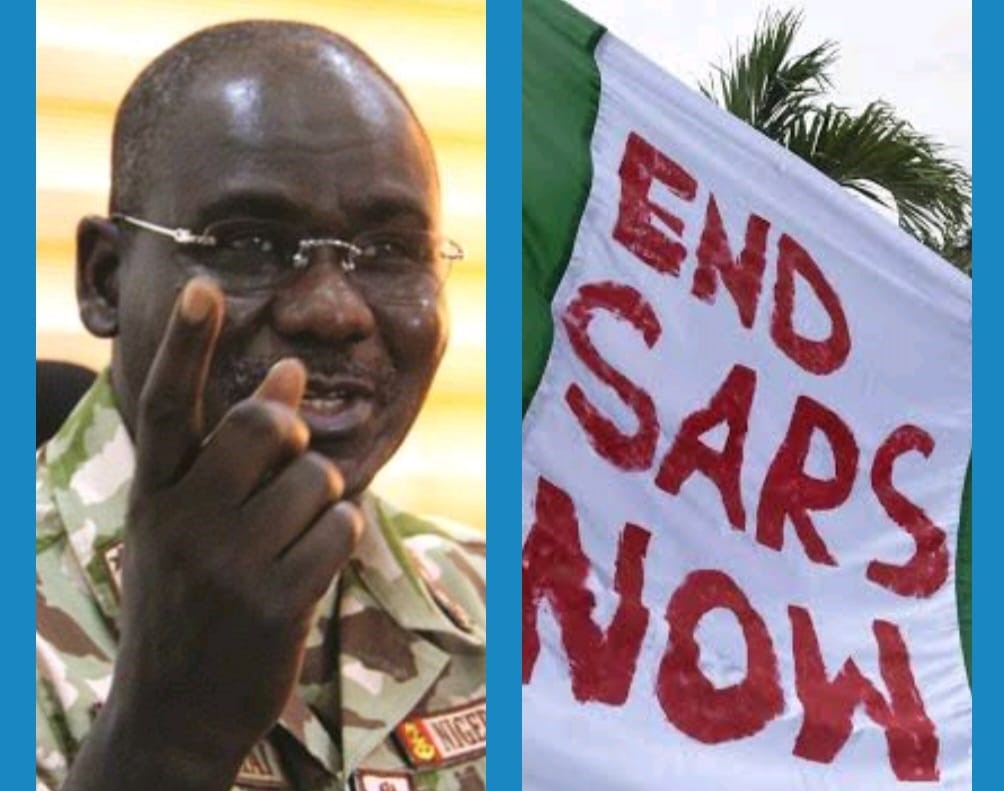
    The administration of President Muhammadu Buhari is struggling to contain the protests of the EndSARS movement that has gripped the country like a wildfire, in a similar way that the previous administration of President Goodluck faced the challenge of tackling the Occupy Nigeria campaign in 2012.

    Most campaigns through protest movements in Nigeria have been geared towards entrenching the rule of law, good governance, transparency and accountability, equity and justice. They have generally been mobilisations towards a freer and more livable society.

    While in the past more than one week, the #EndSARS protests have been calling for an end to police brutality and oppression through the banning of the Federal-Special Anti-Robbery Squad (F-SARS) of the Nigeria Police Force, the Occupy Nigeria socio-political protest movement of 2012, was in response to fuel subsidy removal, alongside all the corruption endemic to the country’s petroleum industry, by the Federal Government of the day.

    Similarly, in 2014, #BringBackOurGirls movement was launched as a pressure group for the release of the kidnapped Chibok School Girls, which subsequently drew a massive global attention. Some of the recognised and respected faces of those earlier movements, who have remained consistent in their advocacies for social causes are Aisha Yesufu, a human rights activist and Omoyele Sowore, a citizen journalist among others.

    In other climes, mass protests are characterised by civil disobedience, social resistance, strike actions, demonstrations, and more recently online activism, especially in this age of the social media. For instance, the Arab Spring movement in 2010 was triggered by a Tunisian street vendor who set himself ablaze in protest against the confiscation of his wares, and the harassment and humiliation inflicted on him by government officials.

    That act of the self-immolation of the street vendor, known as Mohammed Bouazizi, ignited the series of protests that became catalyst for the widespread revolution that swept across the Arab world. Through a succession of anti-government protests, uprisings, and in some extreme cases, armed rebellion, yet driven by different force fields, the Arab Spring movement consumed the regimes of Zine El Abidine Ben Ali of Tunisia, Muammar Gaddafi of Libya, Hosni Mubarak of Egypt, and Ali Abdullah Saleh of Yemen, while other regimes, such as that in Syria, were shaken to their foundation.

    Just lately, the African continent witnessed the removal from office of President Omar al-Bashir of Sudan and Ibrahim Boubacar Keita of Mali after global outrage prompted by protest movements.

    The funding of most protest movements is always shrouded in secrecy, just as the logistics arrangements for coup-de tats were in the past. In any case, intelligence services manage to detect, to some extent, where some of the funding for these movements are coming from, if these are channeled through the financial system.

    The widespread use of social media platforms, with their relative anonymity, facilitates the effective coordination of large-scale and well-organised fund-raising schemes from multiple online donors, which are raising huge amounts of cash for logistics.

    Crowdfunding is the practice of raising money for a project or venture from a large number of people via the Internet. Online fundraising, which has become part of the digital culture, is a form of alternative financing, driven through crowdsourcing, these days. It could be easier to identify the faces of campaigns, such as lawyers, journalists, social media influencers and human rights activists, however it is extremely difficult to identify the major financiers and donors who want to remain anonymous.

    While crowdfunding accounts are legitimate and channelled for good causes, some of these are either created for other less than desirable purposes, which could be hijacked for political interests. Meanwhile, the EndSARS protest movement has raised over N37 million through crowdfunding, according to one of the leading groups in the protest, the Feminist Coalition. The figure shows an addition of N31 million in just four days, indicating a leap of about 487.8 per cent from the previous figure on October 10, which stood at N6,354,561.27.

    While Flutterwave is one of the major crowdfunding platforms deployed in mobilising financial resources for the campaign, its Chairman and former Deputy Governor of CBN, Mr. Tunde Lemo is reported to have raised an alarm that “bad guys were moving money through them.” Hence, he said that he had directed the suspension of the fintech firm’s payment platform to prevent the illicit flow of funds through their channel to questionable causes.

    So far, the Federal Government, and by implication the Nigeria Police, has given in to the demand of the protesters by disbanding the Federal-SARS or F-SARS and ordered all operatives of the now defunct unit to undergo psychological and medical examinations.

    The police spokesperson, DCP Frank Mba, who has consistently engaged social media influencers and critical stakeholders on the development, announced the setting up of the Special Weapons and Tactics Team (SWAT), which will replace the disbanded F-SARS.

    Frank added that former operatives of the defunct F-SARS would not be recruited into SWAT, as the new outfit will strictly be intelligence-driven and not embark on routine patrols.

    Even with this development, many protesters have expressed skepticism at what they consider as the duplicity of the government in seeking to quell their campaign, which they have continued in a way now targeted at the newer hashtag, #EndSWAT and #EndInsecurityNow, in replacement of the earlier #EndSARS.

    One of the founders of EndSARS agitation, Segun Awosanya, popularly known as Segalink, has distanced himself from any further protest with regard to ending F-SARS, after alleging that politicians and commercial criminals have hijacked the protest for their selfish ends.

    In a series of recent tweets, Segalink has warned that the youths of the country would be endangering their lives if they insist on continuing with the protests after the government has agreed to all their demands.

    It may therefore not be a coincidence that the strongly-worded but short statement by the Nigerian Military, warning to deal decisively with subversive elements and troublemakers, has also been issued. The Army spokesperson, Colonel Sagir Musa, who issued the statement, added that the Nigerian Army “remains highly committed to defend(ing) the country and her democracy at all cost.”

    Similarly, Major General John Enenche, the Coordinator Defence Media Operations also issued another strong warning on behalf all the security services. He said: “The Armed Forces of Nigeria and other security agencies have observed with dismay some violence-related protests across the country; particularly the increasing number of attacks on peaceful protesters by thugs and miscreants. This unfolding event against peace loving Nigerians will not be condoned. Hence, thugs and miscreants are hereby warned to desist from engaging in violent activities against peaceful Nigerians henceforth, or face appropriate measures.”

    Whatever may be the case, it is appropriate to reiterate here and now that citizens have the legitimate right to express their political, social and economic concerns in their country through demonstrations or protests. To this extent, the security agencies should know that violent crackdowns against protesters would always lead to untoward consequences, which would not augur well for the image of the federal government.

    In crisis management, dialogue, constructive engagements, negotiations, and compromises are the acceptable and sustainable approaches to peacebuilding. Let’s stay on this lane please.

    Yushau A. Shuaib
    Author “An Encounter with the Spymaster” and “Crisis Communication Strategies”

  • PHOTOS: A Tribute to My Father, Imam Shuaib Agaka- YAShuaib

    PHOTOS: A Tribute to My Father, Imam Shuaib Agaka- YAShuaib

    A Tribute to My Father, Imam Shuaib Agaka
    By Yushau A. Shuaib

    Yushau Shuaib and his parents
    Yushau Shuaib and his parents

    Most tributes are written to eulogise the dead and not the living. I often ask the questions: Must our guardians and mentors die before we honour them by commending their outstanding qualities and exemplary lifestyle as enduring lessons? How sure are we that we would not leave before the demise of such beloved ones, as we constantly defer or procrastinate about giving honour and expressing appreciations when due?

    My father, Imam Abdulhameed Shuaib Agaka is very much alive, continuously playing a major role in my life, and generally being a source of wisdom for life situations in our very regular chats. I sincerely can understand the deep sense of loss of those who have lost their parents; some too early in life.

    As a significant part of the reflections on my 51st birthday today, I wish to celebrate this courageous and resourceful man of God and father of mine.

    With ancestry from the Kanuri nationality of the great Kanem-Bornu Empire, whose vestiges survive in the present Borno State, Imam Abdulhameed was born into the family of Imam Shuaib Said, a renowned Quranic teacher and Islamic leader in Agaka, a community with close proximity to the Emir’s Palace and the Central Mosque in Ilorin Emirate of Kwara State.

    Yushau Shuaib as a child
    Yushau Shuaib as a child

    Apart from teaching the children of the royal families and artisans about Islamic knowledge in the ancient city, the family’s Quranic Centre hosted one of the oldest handwritten Quran, reputed to be over 200 years old. Imam Said sponsored his male children to the best Arabic and Islamic Schools in Nigeria, with some of them attending Markas in Lagos and the Arabic Teachers’ College in Sokoto. My father attended the School for Arabic Studies (SAS) in Kano before proceeding to Bayero University Kano, where he obtained a Ph.D in Quranic Morphology and Arabic Grammar.

    In the tradition of our family, my father ensured that we, his children, went to the Quranic Madrasa at tender ages, the Islamic School for secondary education, before permitting us to pursue other fields of endeavour at the tertiary level. Constantly showering us with gifts, especially when we performed well in schools, and applying the cane – the traditional African discipline enforcer known as Bulala and Koboko – when we misbehaved by performing woefully. He nevertheless allowed us to play, not only for fun but also for physical exercise, and raised us to be strong and fearless when it comes to calling a spade by its name. He still teaches us about the power of prayers and fasting, and the significance of “being our brothers’ keepers” till date.

    In my father’s sojourn in Kano, he was the Head of Arabic Studies departments of top institutions of learning, including the School for Arabic Studies, the Women Arabic Teachers College and Aminu Kano College of Islamic and Legal Studies, among others. He has equally been a guest lecturer and Islamic preacher at various higher institutions, and during notable Islamic events. Even while ever busy as a scholar who regularly travelled when we were young, he has always been an overprotective father, closely monitoring our progression in life. He provides us a sense of physical safety and emotional security, with words of encouragement and assurance, and citing mostly verses from the Holy Quran and Hadith.

    Yushau Shuaib and his beloved younger brother, Yerima Abdul
    Yushau Shuaib and his beloved younger brother, Yerima Abdul

    Due to his deep commitment to scholarship, he turned his homes at Kofar Nasarawa and Kofar Dukawuya in Kano City to semi-hostels for accommodating relatives and students from far and near, who come to school in the ancient city. Apart from facilitating the admission of some of the students into different institutions, he provided them with free meals, and paid the tuition of a number of indigent students, many of who grew close enough to become extended members of our family.

    It wasn’t until I came into adulthood that I realised that many of those who I called ‘brother’ and ‘sister’ were not my father’s biological children, due to his non-discriminatory attitude among all of us. Although, back in the day, out of childishness and unfathomable jealousy, I once asked him if the equal treatment he meted out to everyone was necessary. He replied that: “You will be treated the way you treat others.”

    When cakes were not yet fashionable, he had special ways of ‘spoiling’ us on our birthdays, with specially prepared Tuwo and Amala, which came with assorted meat. Also, preparatory to Islamic festivals, he purchased and distributed large yards of clothing materials to family members, relatives, neighbours and even the poor in the community. I enjoyed participating in cutting the yards of materials and labeling them with names of beneficiaries. On Sallah Days, we helped him in distributing minted coins of ‘Kobo’ to kids and the needy from currency pouches.

    Imam Abdulhameed Shuaib Agaka

    After the demise of our grandfather in 1996, my father, Dr. Abdulhammed Shuaib, voluntarily retired from the service of the Kano State government and accepted his appointment as Imam in Agaka, within the Ilorin Emirate in 1998.

    He has committed his life to the service of God and humanity, as he facilitates the establishment of worship centres, offering educational scholarships to indigent students, providing guidance and counselling to the distressed and sponsoring Islamic moral teachings in radio programmes through a foundation named after him.

    Even though in old age, with its attendant health complications, he remains in good humour and is persistently cheerful. A thoughtful jokester, my dad lifts our spirit and makes us smile and laugh a lot about life. He once asked me, “Where can we find a medic who will recommend sweet drinks and tasty meat for healthy living?” Also at the peak of the coronavirus infection curve, when elderly people were yielding to the infection and becoming victims of the pandemic in drones, he asked if we could pray for him to ‘depart the stage’ during the holy month of Ramadan. We obediently refused, and the mercy of the Almighty Allah has spared his life to survive till this moment, and very hopefully for many more years to come.

    Yushau and his father, Imam Abdulhameed Shuaib Agaka Phd
    Yushau and his father, Imam Abdulhameed Shuaib Agaka Phd

    While he stands behind me, as a strong moral pillar and prayer warrior who boosts my courage and confidence, he always tells me that ‘tolerance and compromise are not signs of weakness but tools for peace and relationship building.’ As an Islamic scholar, he buttresses his points in relation to various issues, while citing copious verses of the Holy Quran and the Hadith in fascinating acts of story-telling.

    I’m still proud to be referred to as a “daddy’s pikin,” though devoid of the connotations of a pampered offspring. I will forever cherish his tutelage and guidance. In fact, after his initial reluctance, he ultimately supported me in the choice of a career in communication, which is also a channel for public outreach on a purposeful and virtues-driven experience. Apart from his unfaultable counsels on my family, works and matrimonial relationship, he guided me in making good investment decisions, such as in acquiring my first pieces of land in both Kano and Ilorin Emirates for residences.

    Yushau and his father Imam Abdulhameed Shuaib
    Yushau and his father Imam Abdulhameed Shuaib

    Dr. Abdulhameed Shuaib, our very dear patriarch, an honourable father, friend, and community leader, is an exemplar of good conduct, a reliable confidant, moral teacher, spiritual healer and my superhero. He is not only one of the friendliest dads ever, he also provided motherly care when it really mattered, easing the burdens of his children and saving us from pain.

    Alhamdulillah, I am proud and blessed to have Imam Shuaib Agaka as my father as I pray to Almighty Allah to continue to bless him with good health, peace of mind and the uncommon wisdom that crowns decades in the service of God and mankind.

    Yushau A. Shuaib
    Author and PR Practitioner


  • The Nigerian Army and ‘Fatal Arrogance’ By YAShuaib

    The Nigerian Army and ‘Fatal Arrogance’ By YAShuaib

    The Nigerian Army and ‘Fatal Arrogance’ By YAShuaib
    By Yushau A. Shuaib

    It is baffling and hard to believe that the Nigerian Army under the current leadership of Lt. General Tukur Buratai would recruit the service of publicists for dark propaganda, rather than public relations to protect its image.

    Just recently, the Army’s publicists shot a movie titled “Fatal Arrogance” that portrays the leadership and members of the Islamic Movement of Nigeria (IMN), popularly known as a Shi’ite group, as terrorists.

    In their desperate execution of this plan, the publicists hired a veteran Nollywood Actor, Pete Edochie; a popular actress, Destiny Etiko, and a movie producer, Anosike Kingsley Orji, all Christians and Igbos, to portray Northern Muslims and by extension Islamic religion, in a bad light in the movie.

    In the movie, Edochie is featured in a role wearing an Islamic outfit that makes him resemble Sheikh Ibrahim El-Zakzaky, leader of the IMN, who has been in detention since December 2015, after the altercation that his followers had with Nigerian soldiers. Over 348 people were killed in that incident, and the follow-up aggression having the army lay siege to the IMN headquarters, with the bodies of the dead secretly buried by the army in a mass grave.

    The behind-the-scenes clip from the movie, which was shot in Igboland rather than a Northern city, is already generating a lot of controversies.

    A popular Kannywood actor who was lured into taking part in the movie, Mallam Yakubu Mohammed, has regretted his appearance in it due to what has turned out as the film’s bad intent.

    He said, “I never knew some of the scenes in the film will be portrayed in that manner… It was a film that showed the clash between Nigerian Army and Islamic brotherhood in Zaria, and many members of the group were killed. When I read the script, I saw nothing castigating Islam in it, but you know (a) script can change at some point, that was what happened.

    “…There is a place that every Muslim, if he sees it, must be concerned. There is a photo of Mr. Pete Edochie walking around in a Muslim dress, with a bottle of beer in his hand and with a girl. I really regret appearing in that movie.”

    Also, according to Mohammed, “I have told the producer to remove all my scenes in the movie, that I am ready to pay for damages, which is what the rule says.”

    The Islamic Movement in Nigeria has equally petitioned the Inspector-General of Police, Mohammed Adamu, and the National Film and Video Censors Board, over the movie.

    The spokesperson of the Movement, Ibrahim Musa, in accusing the Nigerian Army of furthering its campaign of aggression against the group through the sponsorship of the movie, stated that, “If film producers are not careful, some disgruntled elements in governance will make them side with the oppressors against the oppressed, as the film “Fatal Arrogance”, is meant to achieve.

    “Genocide is involved here; any move to justify the brutal and inhuman Zaria genocide of December 2015 is an affront (to) the Rome Statute of the International Criminal Court.

    “Evidently, for every Nigerian, these clips are meant to disparage the peaceful movement and portray it to the world as a violent armed movement.”

    One of the promoters of the distasteful movie against the Islamic group is Terrence Kuanum, a Christian from Benue who authored a book with a similar title, “Fatal Arrogance”, in defence of the Nigerian Army against the Shi’ite. The book is apparently the inspiration behind this film.

    I was also once a victim of the same Terrence Kuanum, who parades himself as General Buratai’s publicist. He had falsely accused me of being a patron of terrorist groups, in his distorted and apparently suborned response to my “Memo to President Buhari on the Service Chiefs”, which was widely published in the Nigerian print media.

    In his deliberate attempt to incite the military and victims of terrorism against me, on the basis of untrue accusations, Terrence compromised the websites of highly credible, as well as notoriously incredible, media platforms, by planting his offensive article there, mostly without the knowledge of the publishers and editors of some of these platforms. Subsequently, about 15 of these media organisations had to delete the highly libellous content from their websites, while offering profound apologies for the infiltration of their systems that allowed that to happen.

    In his over 3,000-word defamatory piece, revelling in insidiously deceitful claims, Mr. Terrence labelled me a Boko Haram supporter, an ISWAP propagandist and that I was on the payroll of terrorists.

    Given how defamatory and harmful the allegations in the very lengthy article were, I officially reported this to security agencies, including the Nigeria Police, the State Security Service (SSS) and the National Intelligence Agency (NIA). Till date, none of the agencies has taken any action to interrogate the writer on the very grievous allegations that sought to impugn my professional integrity and cast me as a threat to national security. The security services seem to be afraid to invite the author of “Fatal Arrogance” for questioning because of his godfathers in the Nigerian Army.

    Apart from moving about freely, Terrence Kuanum has exhibited the ‘fatal arrogance’ of being untouchable, not only by launching his book in Abuja, but also shooting the movie based on the book in Enugu, to the bewilderment of a sane society.

    Terrence Kuanum’s odious activities revolve around his membership of an obscure ‘Global Amnesty International Network’, Television Nigeria (TVN) and other shadowy groups that support the leadership of the Nigerian Army.

    The painful irony of this publicity attempt gone awry is the fact that the Nigerian military has an enviable reputation of professionalism, gallantry, resilience, and straightforwardness that do not require propaganda to push for a positive social narrative.

    It is only the leadership of an institution that appears to have something ugly it needs to cover up that engages charlatans in an effort at dark propaganda, rather than more astute and professional public relations organisations. It goes without much contemplation to know that this very poorly thought-through and ‘Fatal Arrogance’ will backfire very badly on the image and reputation of an institution that should otherwise be encouraged for its potentials, and the work it is doing to keep Nigeria safe.

    Yushau A. Shuaib
    Author of “An Encounter with the Spymaster” and “Crisis Communication Strategies”
    www.YAShuaib.com