
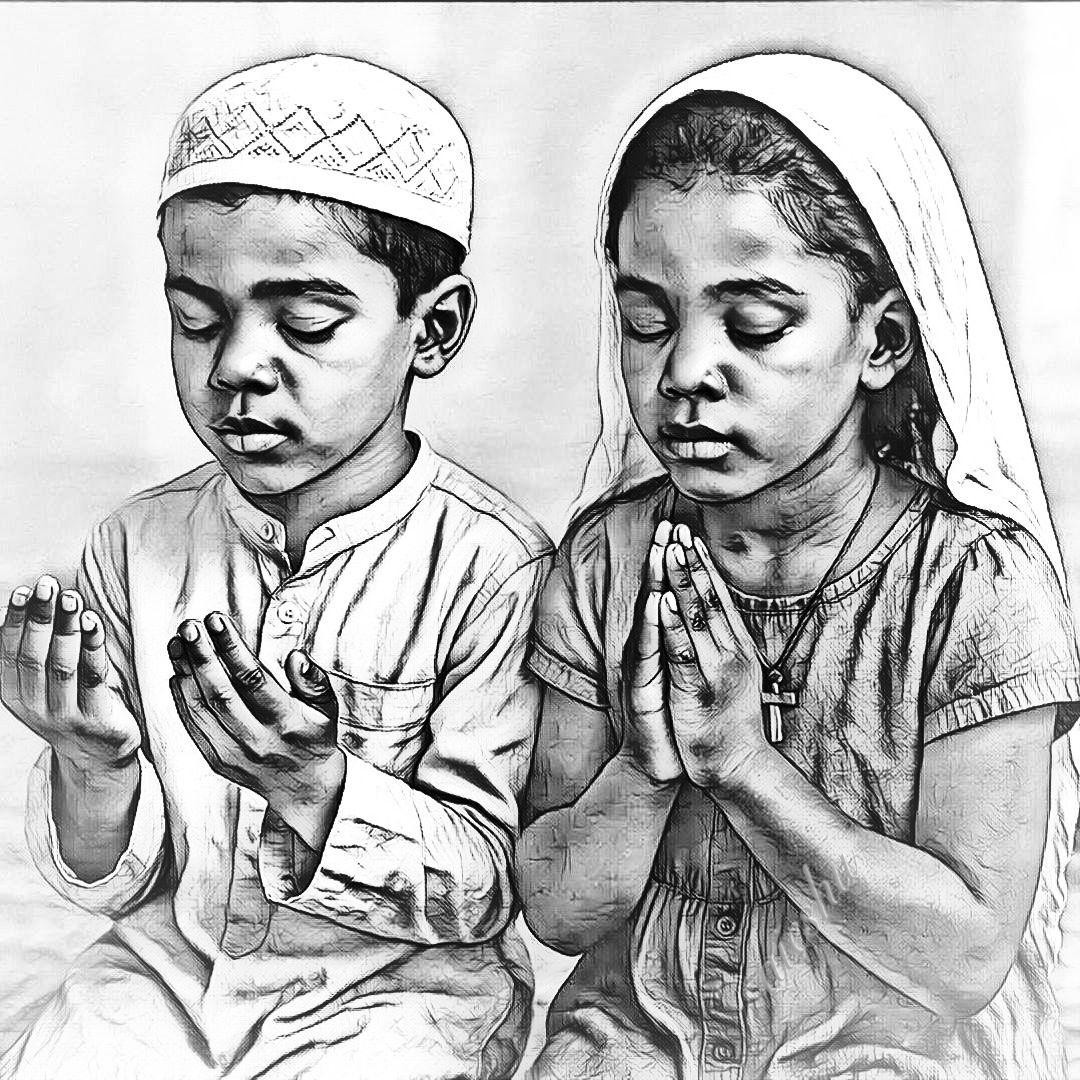
Ramadan and Lent: A Shared Lesson for Nigerian Muslims and Christians on Faith and Unity
By Yushau A. Shuaib
From time to time, I retreat into the fond memories of my youth in Delta State. Between 1992 and 1993, I served in Asaba as a member of the National Youth Service Corps (NYSC)a predominantly Christian community. In those days, faith was practised with dignity, confidence, and mutual respect. We did not merely observe our religious obligations; we lived them openly, without fear or suspicion.
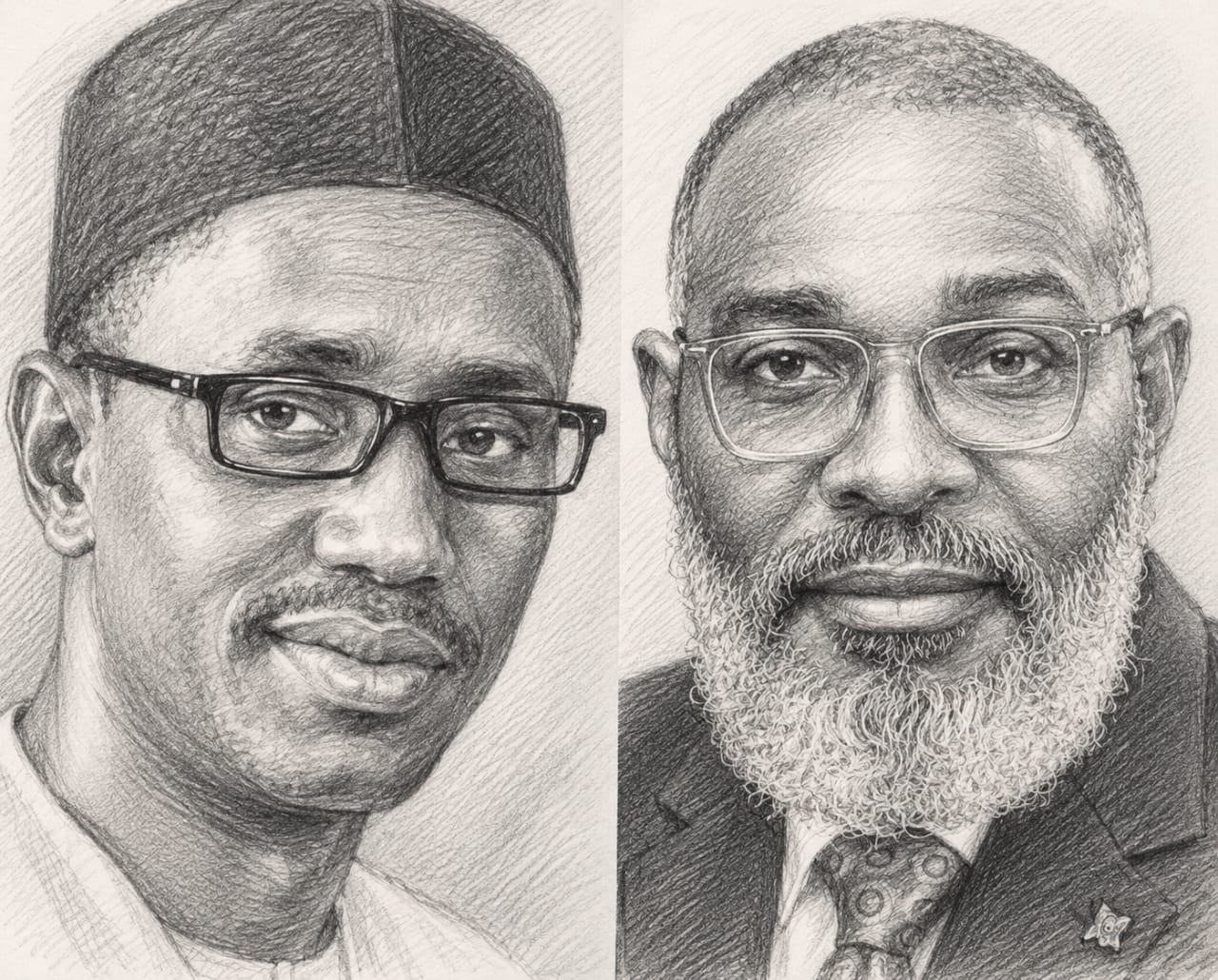
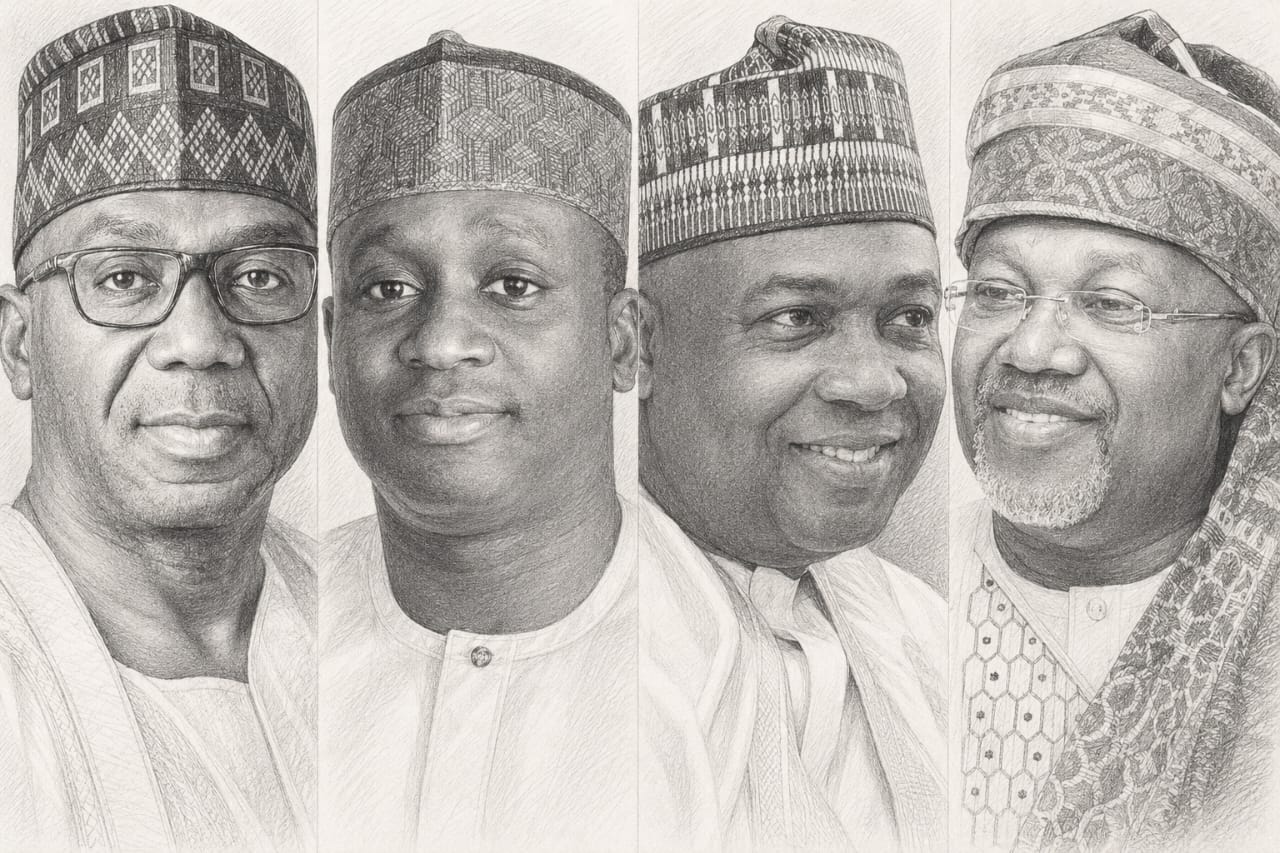
During Ramadan, we undertook Islamic propagation across rural communities. It was a season of purpose and conviction. Kabir Alabi Garbanow the Weekend Editor of The Guardian newspaperswas then the Leader of the Muslim Corpers Association of Nigeria (MCAN) in Delta State. Comrade Muhammad Haruna Ibrahim, today the National President of the Senior Staff Association of Nigerian Universities (SSANU), was among the active members. So too was Hon. Muktar Aliyu Betara, now one of Nigerias longest-serving federal lawmakers.
We moved from village to village with copies of the Holy Quran. I still recall the curiosity of villagers encountering it for the first time. Some affectionately described it as the Hausa Bible. Yet many were captivated by the poetic cadence of Yusuf Alis English translation, and some embraced Islam not out of coercion, but conviction.
One memory remains especially poignant. On Sallah day, the late Asagba of Asaba, His Royal Highness Prof. Chike Edozien, hosted a feast for Muslim corpers. He welcomed us warmly, his table adorned with delicaciesincluding exotic wines. Alcohol is forbidden in Islam, but we handled the moment with courtesy and maturity. We honoured his hospitality while observing our faith. There was no tension, no outrage, no viral commentary. In that eradevoid of smartphones and social media toxicitylife was defined by civility and coexistence. Inter-ethnic marriages among corpers were not only common; they were celebrated.
Read Also:
Three decades later, the atmosphere feels different. Today, a harmless opinion can provoke hostility so sharp that one can often predict the critics background merely by their name. The ethno-religious fault lines are so taut that some now openly fantasise about separationas though fragmentation will magically deliver peace. We see the tragic consequences of such divisions in parts of Kaduna and Jos, where invisible walls now separate communities that once lived as neighbours.
Yet, at this very moment, Muslims and Christians across the world are simultaneously immersed in sacred seasonsRamadan and Lent. More than three billion people are engaged in prayer, fasting, and repentance. Separated by theology, yet united by a common human longing: to draw closer to the Creator through discipline and sacrifice.
Ramadan, the ninth month of the Islamic lunar calendar, commemorates the revelation of the Holy Quran to Prophet Muhammad (SAW). Lent, the forty-day Christian observance preceding Easter, recalls the fasting and temptation of Jesus Christ in the wilderness.
Muslims fast daily from Suhoor (dawn) to Iftar (sunset), abstaining from food, drink, and negative conduct. Christians observe fasting, almsgiving, and abstinence, marked by Ash Wednesdaya solemn reminder of human mortality and repentance.
Ramadan cultivates TaqwaGod-consciousnessculminating in Laylat al-Qadr, the Night of Power, before Eid al-Fitr. Lent calls believers to Metanoiaa transformative turning back to Godleading to Easter, the celebration of resurrection and hope.
For both traditions, hunger is not punishment; it is purification. It strips away distractions and awakens compassion for the vulnerable.
These practices are rooted in a shared prophetic heritage. Abraham fasted. Moses fasted. Jesus fasted. Muhammad fasted. The message across centuries is consistent: voluntary restraint strengthens the soul. The body becomes a bridge to the Divine.
Interfaith unity does not require theological uniformity. It requires recognition of sincerity. Ramadan and Lent are not rivals; they are companionstwo rivers flowing along different paths toward the same vast ocean of Divine Mercy.
The Quran reminds us: O humanity! Indeed, We created you from a male and a female and made you into peoples and tribes so that you may know one another. (Quran 49:13)
And the Bible commands: Love one another as I have loved you. (John 15:12)
If we can carry the humility of fasting, the empathy born of hunger, and the discipline of prayer beyond our mosques and churches, perhaps we can rediscover the Nigeria I knew in 1992-93a country where faith built bridges rather than barriers.
Ramadan and Lent invite us back to that possibility.
Yushau A. Shuaib
Author of An Encounter with the Spymaster
[email protected]