
Genocide Claim: President Trump, Ribadu’s Team and the Saudi Prince
By Yushau A. Shuaib
When U.S. President Donald Trump recently renewed his fixation with what he described as “Christian genocide” in Nigeriagoing as far as calling the country a “disgraced nation”I couldn’t help but laugh. Not because Nigeria’s security challenges are trivial, but because Trump’s history of loud, reckless, and contradictory outbursts makes it difficult for any serious observer to take him at face value.
This is the same Trump who, during his first tenure, described Nigeria among African “shithole countries” and labelled then-President Muhammadu Buhari as “lifeless.” He once confronted Buhari with the question, “Why are you killing Christians?”, despite being widely known for superficial engagement with facts. No American leader in modern times has displayed Trump’s blend of theatrical tantrums, political sensationalism, and Hollywood-style dramatics.
Trump’s behaviour is often stranger than fiction. Before the New York mayoral election, he repeatedly attacked Zohran Mamdani, a Muslim politician of South Asian descent born in Uganda, Africa, calling him a “communist” and threatening to punish New York City if he won. Trump vowed to slash federal funding, deploy the National Guard, and even suggested arresting him over immigration disagreements. Yet despite Trump’s intimidation, Mamdani wonproof that Trump’s political threats often collapse under their own emptiness.
His track record is replete with contradictions. He loudly condemns alleged “Islamists” in Nigeria yet openly courted controversial figures abroadincluding a former “terrorist leader” turned Syrian president, Ahmed al-Sharaa meeting him both in Saudi Arabia and at the White House. Despite presenting himself as a defender of persecuted Christians, Trump’s positions are dictated more by political theatre and personal interests than principle.
He once peddled a fabricated narrative of “white genocide” in South Africa, later dismissed by experts as propaganda. For someone whose policies contributed to the Gaza Genocide against Palestinians and whose rhetoric often inflames divisions, it is astonishing that some Nigerians still treat his statements as gospel truth.
Yet, certain political actors and ethnic propagandists celebrated Trump’s threat to “invade Nigeria,” as though foreign military intervention were a badge of honour. Thankfully, prominent Christian voicesespecially officials from the Middle Belt, including Benue State Governor Reverend Father Hyacinth Alia and Secretary to the Government of the Federation Senator George Akume, as well as vocal public commentators from Southern Nigeria such as Femi Fani-Kayode and Reno Omokrifirmly rejected the genocide narrative, affirming that violence in Nigeria affects Muslims and Christians alike.
Ironically, when Muslims attempted to counter the propaganda, some were accused of never condemning terrorism. But truth is not built on emotion. As a Muslim my writings over two decadesincluding 2003’s “Sharia: Between Civilisation and Belief,” 2006’s “Killing in the Name of the Devil,” 2012’s “Boko Haram and Political Elites in Northern Nigeria,” and 2018’s “Still on Murderous Fulani Kidnappers,” among othersdemonstrate consistent condemnation of all violent crimes, irrespective of perpetrators’ religion or region. My blog, www.yashuaib.com, further archives these personal opinion articles. Not everyone is a hypocrite. Some of us speak from conviction, not convenience.
Read Also:
Security as well as investigative media reports reveal that the so-called “Christian genocide” narrative was constructed mainly by disgruntled Middle Belt activists, IPOB sympathisers, and foreign lobby groups disguised as NGOs. While some Christian communities document every casualty, Muslim communitieswho have suffered the brunt of Boko Haram, banditry and state violence such as the 2016 Zaria Shiite massacrerarely do so. Terrorists have ravaged entire Muslim-majority towns in the North, but their tragedies lack global amplification because they do not fit a convenient foreign narrative.
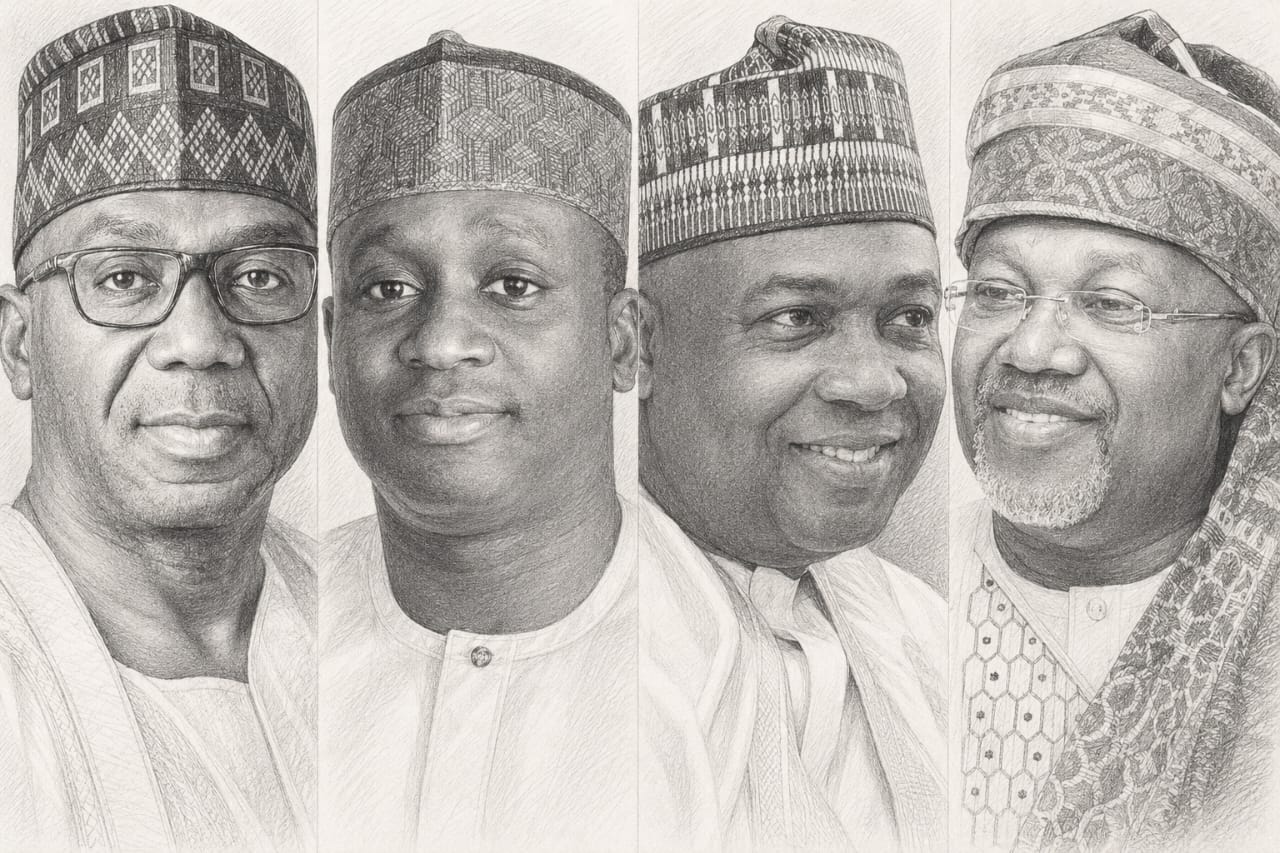
President Bola Ahmed Tinubu acted maturely by dispatching a delegation led by National Security Adviser Nuhu Ribadu to engage U.S. authorities. Observers noted that the Chief of Defence Staff, General Olufemi Oluyede, Inspector General of Police, Kayode Egbetokun and Chief of Defence Intelligence, Lt General Emmanuel Parker Undiandeye all Christianswere on that delegation. If there were a coordinated genocide against Christians, would these respected top security chiefs be complicit?
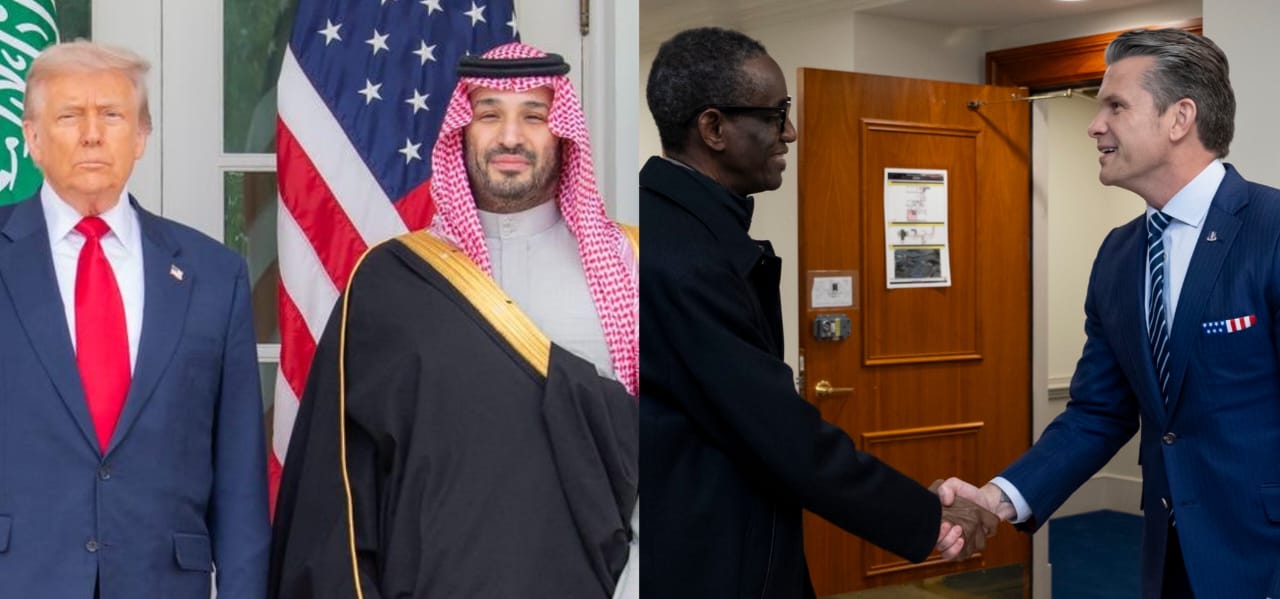
After every engagement involving Nigeria’s delegationincluding Attorney General Lateef Fagbemi and Minister of State for Foreign Affairs, Bianca Ojukwu, with American authorities, deeply irresponsible official statements followed. Freshman U.S. Congressman Riley Moore mentioned “Christians” eight times without acknowledging Muslims who are also terrorism victims. Similarly, U.S. Secretary of Defence/War Pete Hegseth’s office emphasised “protection of Christians” and “stopping violence against Christians in Nigeria.”
What about other Nigerians who suffer the same violence? What is the agenda behind this selective framing? Are Muslims and other communities expected to remain silent in the face of such reckless rhetoric? This one-sided narrative sends a troubling messageas though Muslim lives do not matter in the scheme to undermine Nigeria. Even more unfortunate is that some Nigerians are celebrating this distortion, as if the rest of us are no longer their brothers and sisters in nationhood.
Meanwhile, as Ribadu’s delegation sought to clarify Nigeria’s secular stance in the USA, Trump welcomed Saudi Crown Prince Mohammed bin Salman at the White House. He approved a major defence pact, facilitated F-35 jet sales, and celebrated investment commitments worth hundreds of billions of dollars. Saudi Arabiathe spiritual heart of global Islamwas also designated a major U.S. ally, while Nigeria was labelled a “country of concern.” Trump’s selective morality is guided not by religious solidarity but by strategic and financial interests.
This makes one thing clear: Nigeria must resist being drawn into emotional propaganda. Americans, as responsible people, will never sanction the invasion of Nigeria over flimsy and concocted excuses as if we are a banana republic. Trump’s threats are mere bluster. The real danger lies in foreign-funded lobbyistsboth locally and internationallydriving the genocide narrative. Once Nigeria ceases to trend, they will shift their campaign elsewhere.
It would not be surprising if, realising that Trump is not coming, the so-called Christian genocide claimants may turn to Israeli Prime Minister Benjamin Netanyahu with claims that Jews are persecuted in Nigeria. Such a scenario would be absurd, yet not impossibleeven though the most vocal self-proclaimed “Nigerian Jew” is currently serving a terrorism sentence in Sokoto.
Nigeria’s security crises are real but not religious genocide. They stem from criminality, governance failures, climate pressure and economic distressnot state persecution.
Nigeria must confront these challenges honestly, rejecting foreign labels designed to fracture our unity.
The question remains: Is Trump protecting Nigerian Christiansor his own political and business interests, often in competition with China?
Yushau A. Shuaib is the author of “An Encounter with the Spymaster.” [email protected]